


"Then and Now" Gallery
From bark beetle infestation to burnt area: How the forest at Reitsteig has changed in 13 years
The two photo series document the long-term development of the forest at Reitsteig. In 2012, the stand still appears as a largely healthy spruce forest. From around 2018, a massive bark beetle infestation becomes increasingly visible, leading to the widespread death of spruce trees and significantly altering the structure of the forest. In 2022, an additional fire event follows, further altering the already weakened areas and leaving large open, partially burnt landscapes. In the following years, a significant natural regeneration begins: Above all, young birches and other pioneer tree species begin to repopulate the areas and initiate the process of reforestation.
Photo series 1
2012
|
2013
|
2014
|
2015
|
2016
|
2018
|
2019
|
2020
|
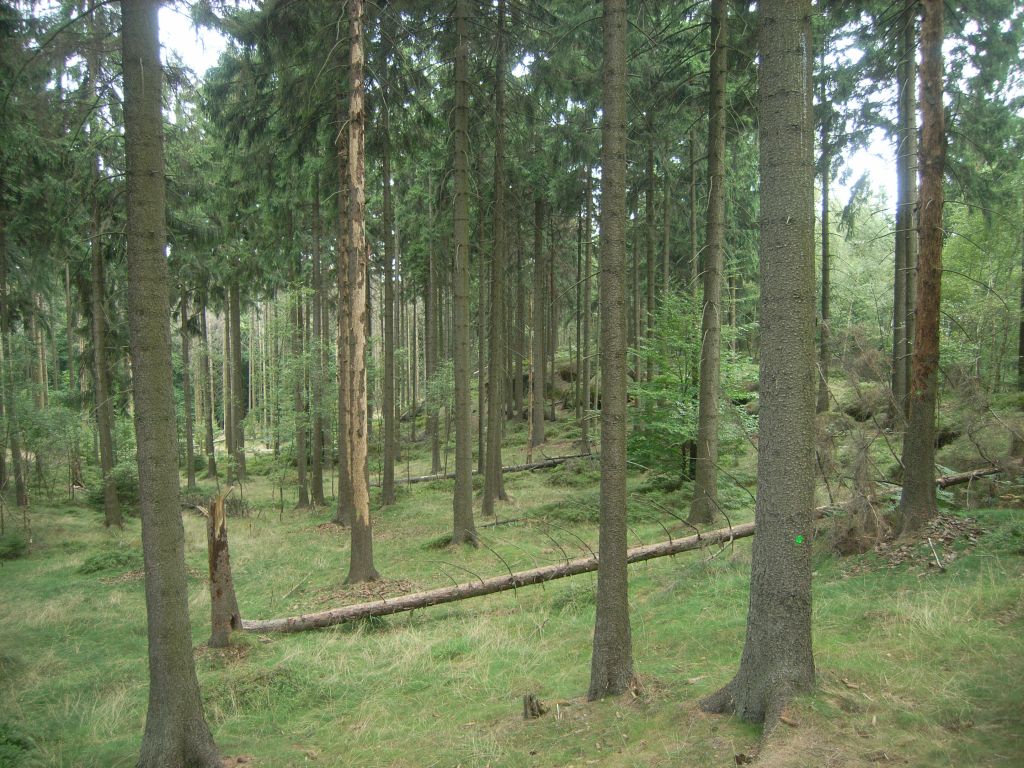
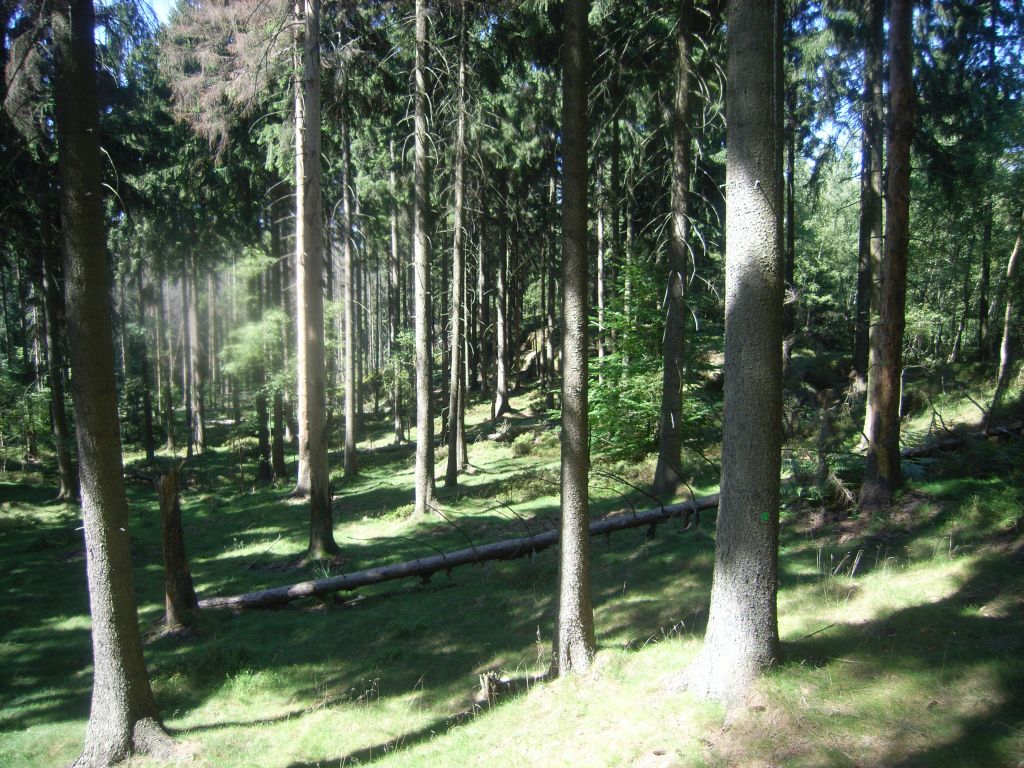
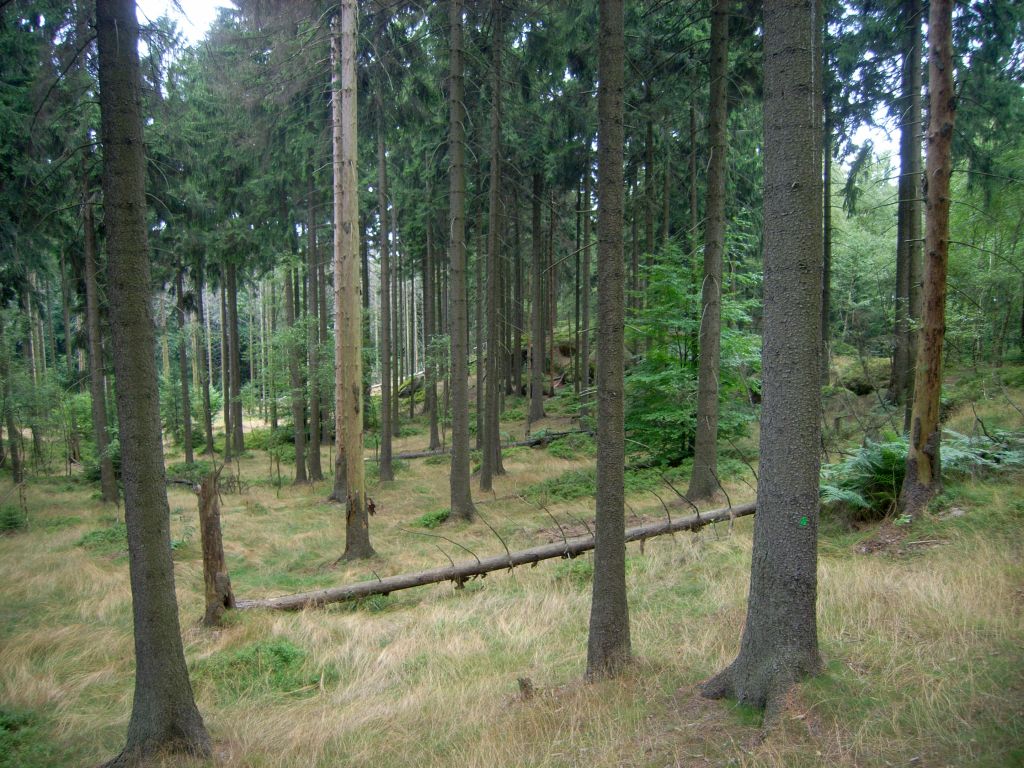
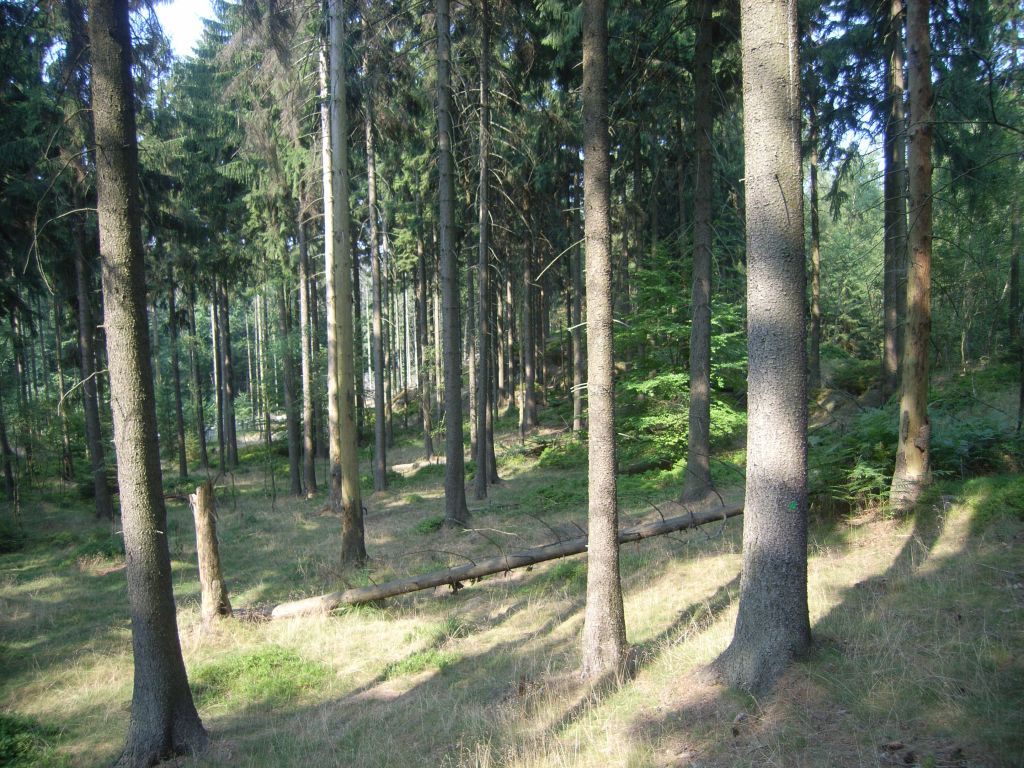
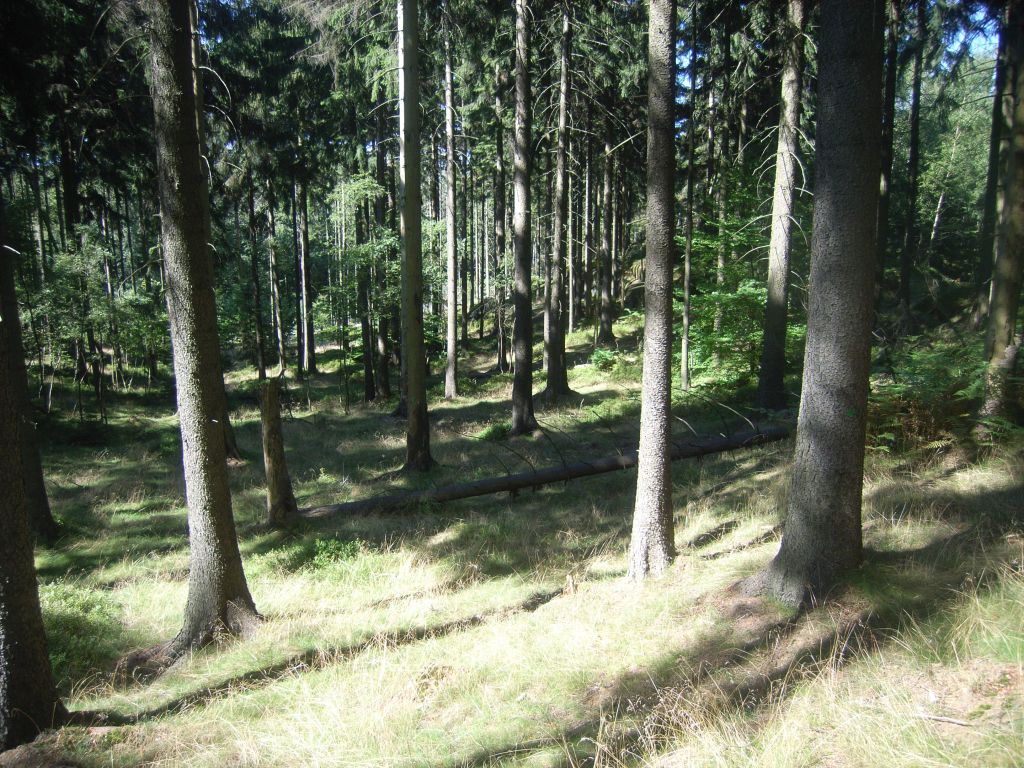
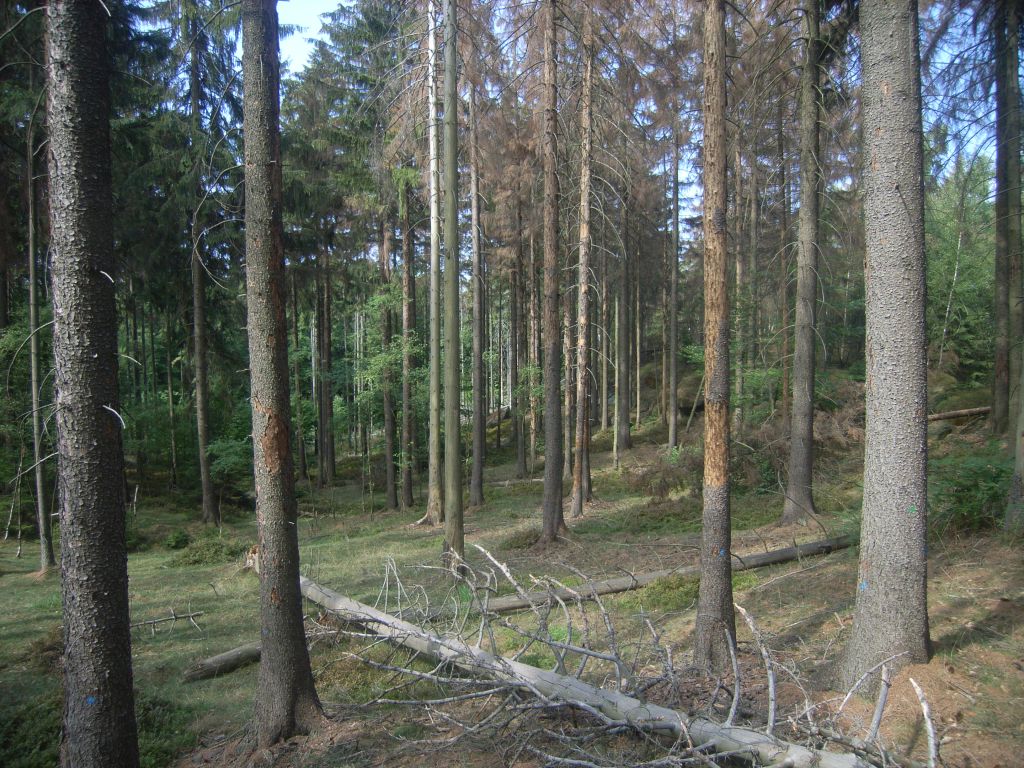
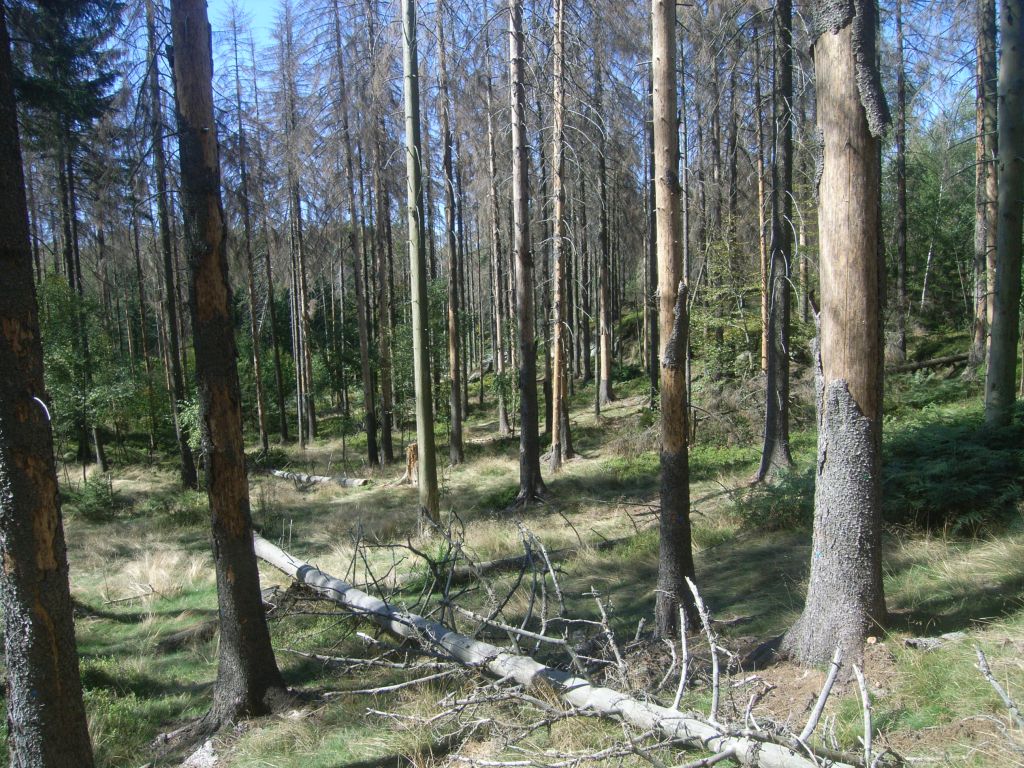
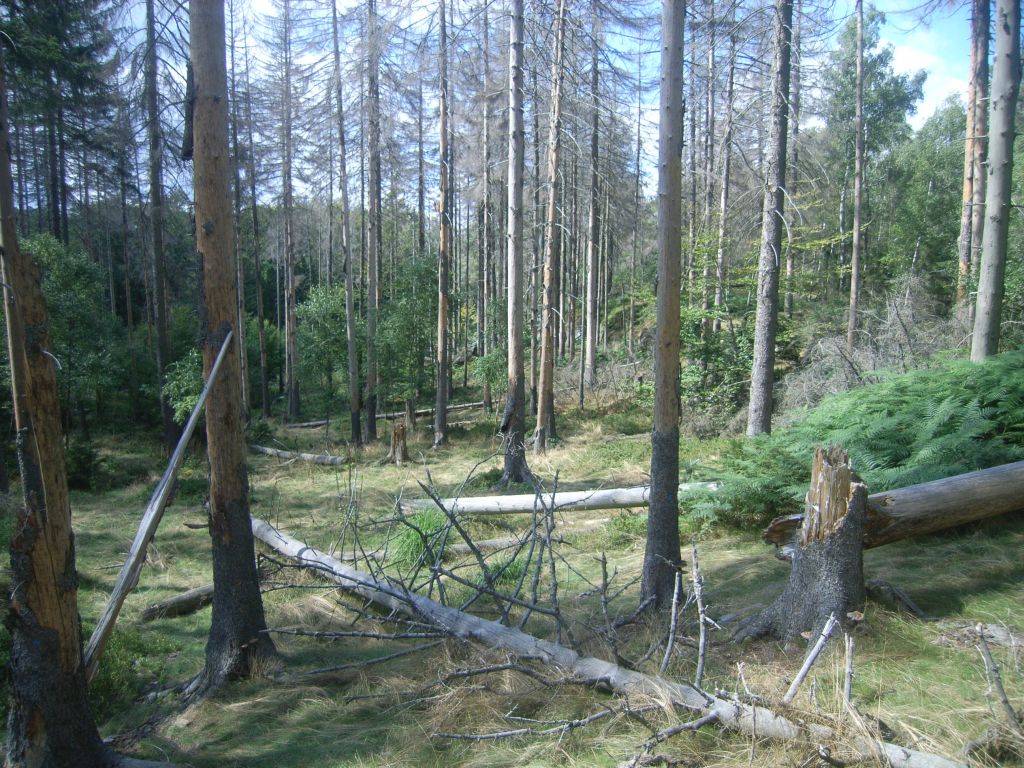
2022
|
2023
|
2024
|
2025
|
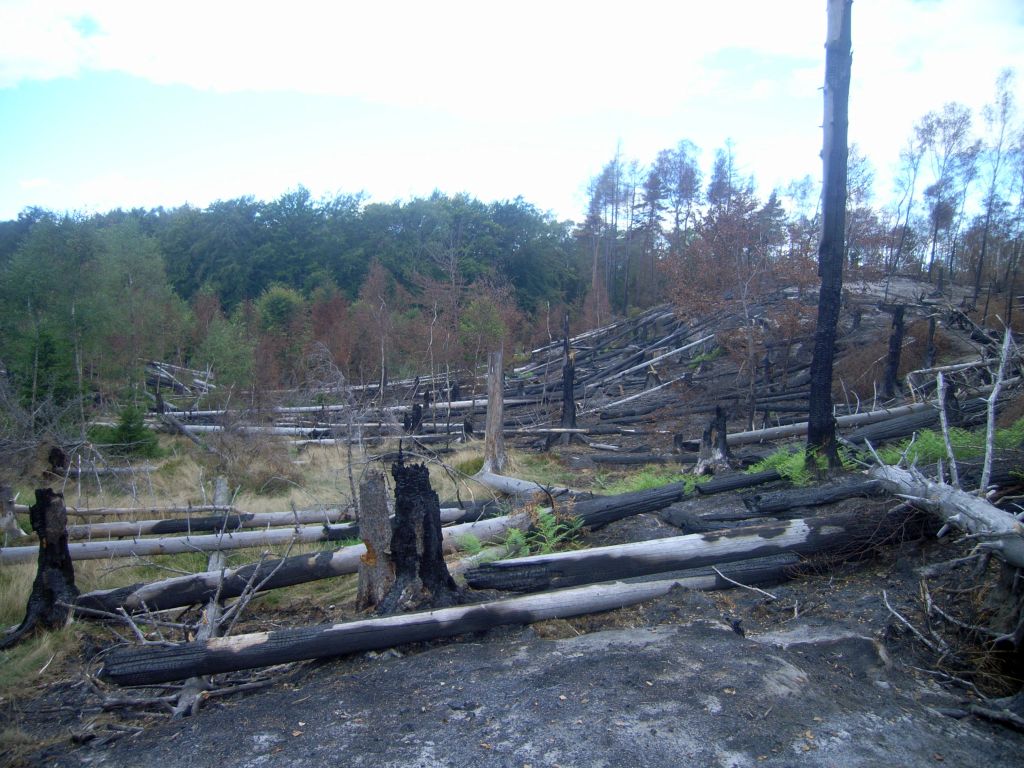
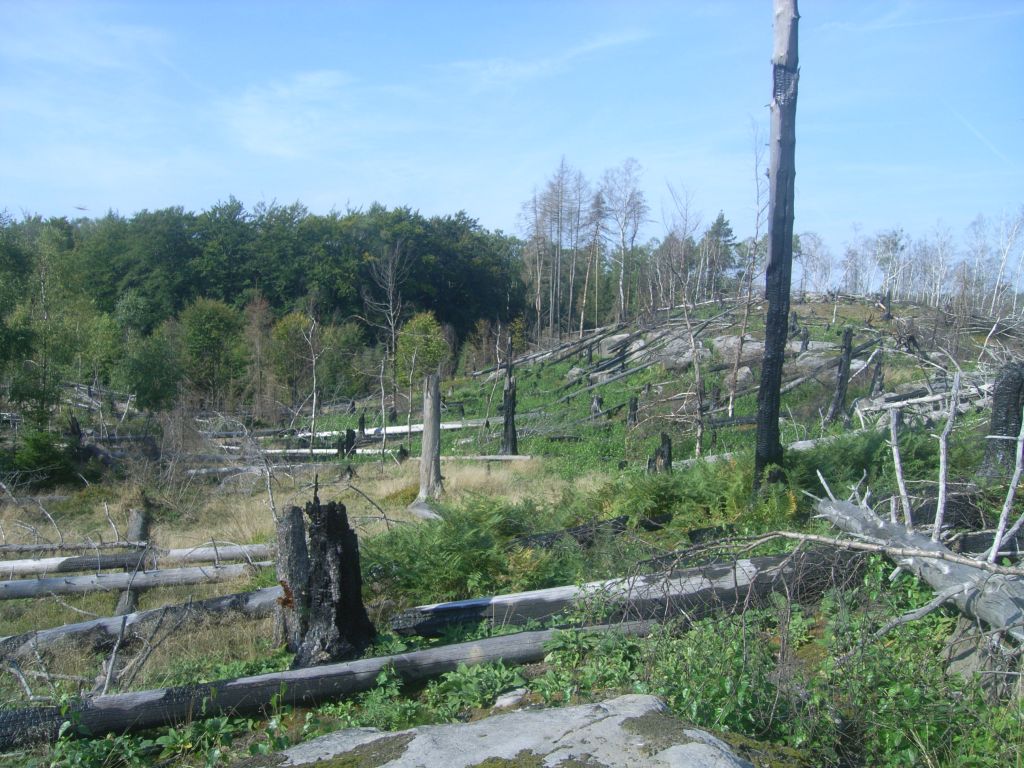
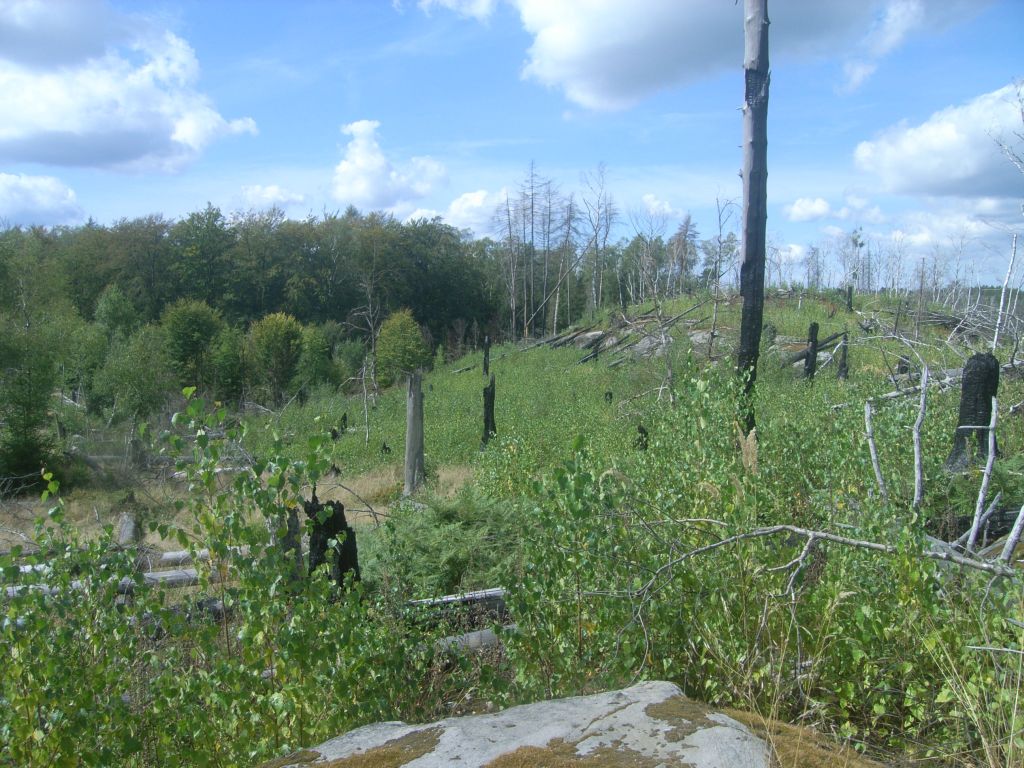
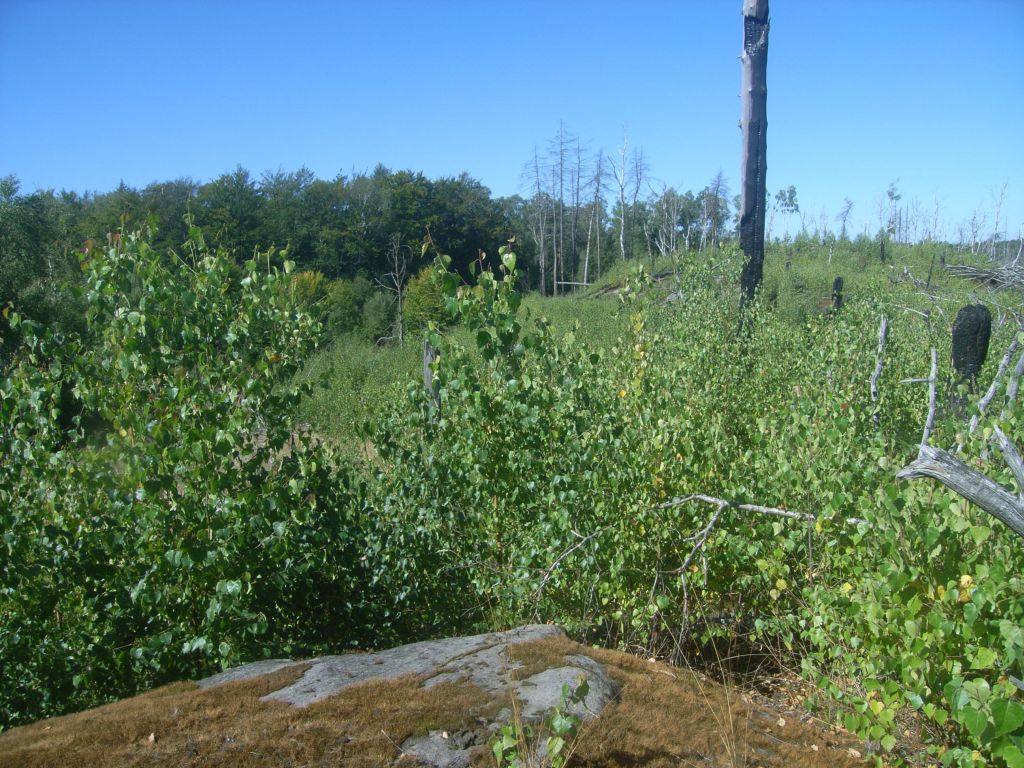
© Sven Hanuschka
Photo series 2
2012
|
2013
|
2014
|
2015
|
2016
|
2018
|
2019
|
2020
|
2022
|
2023
|
2024
|
2025
|
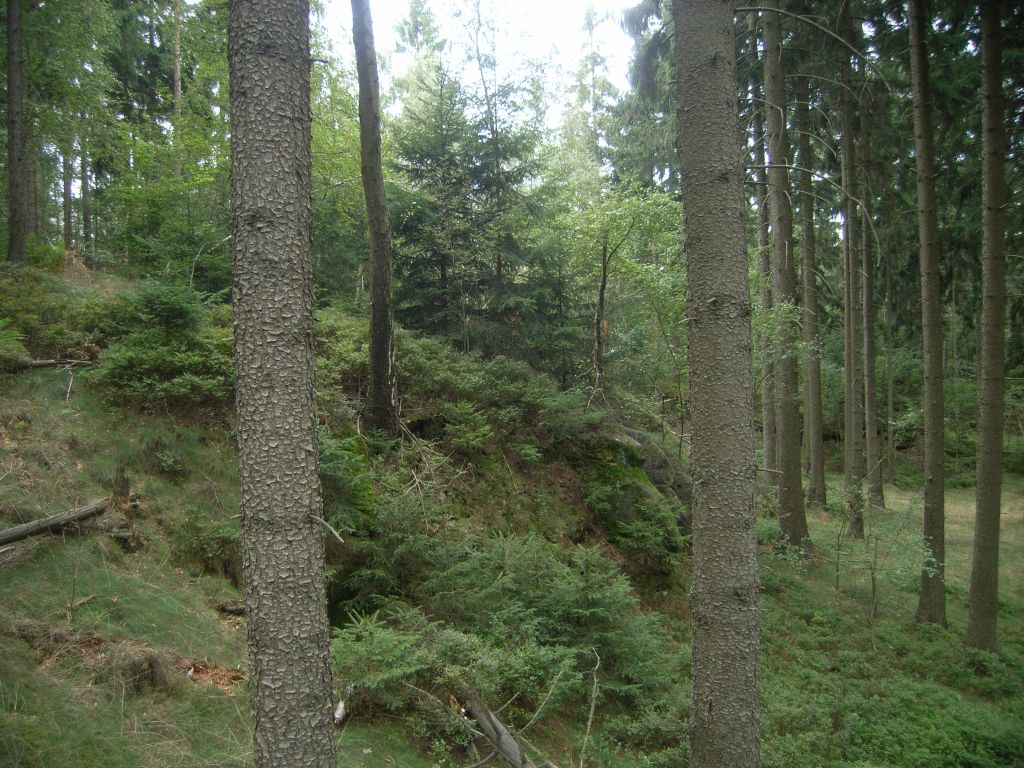
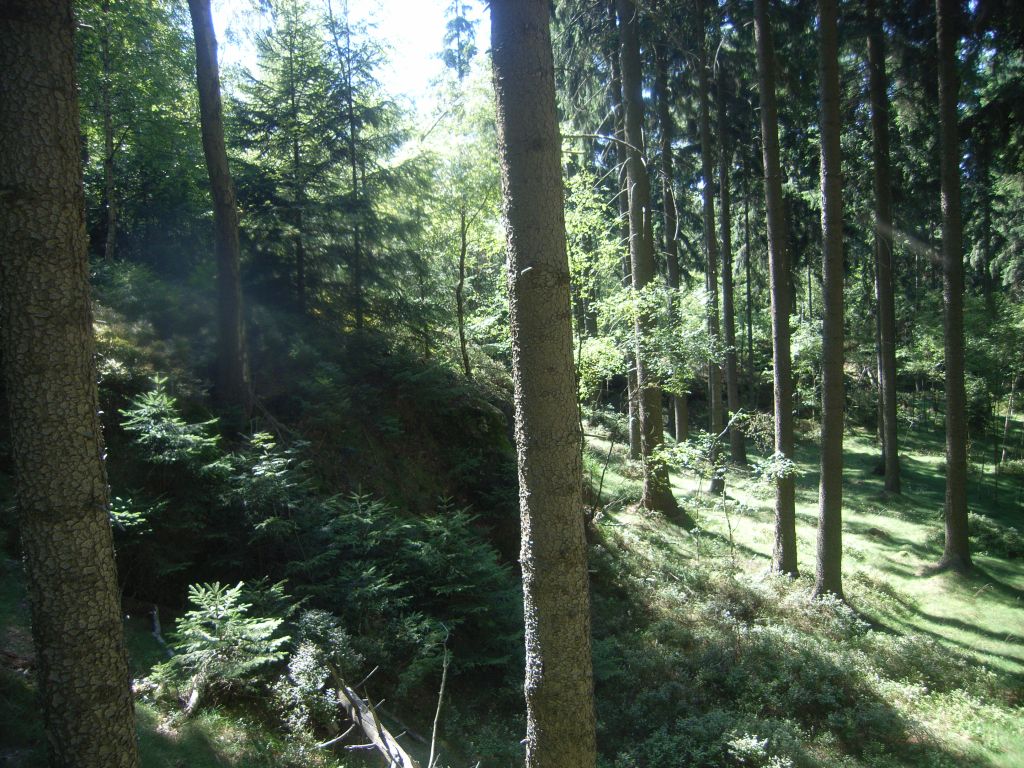
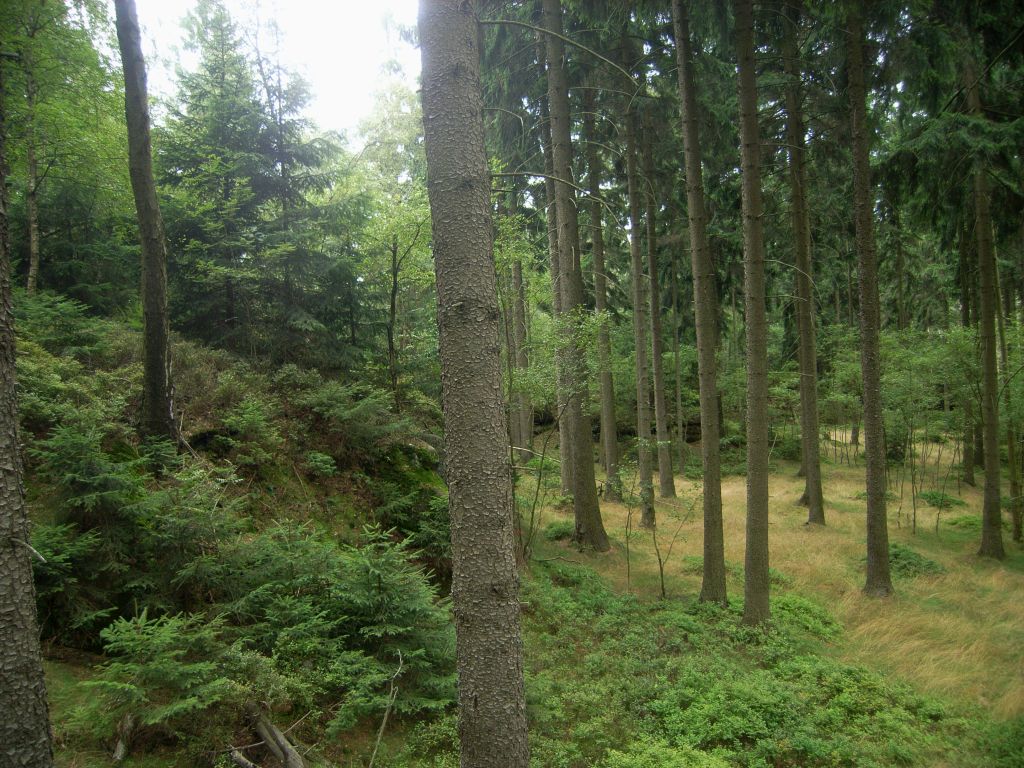
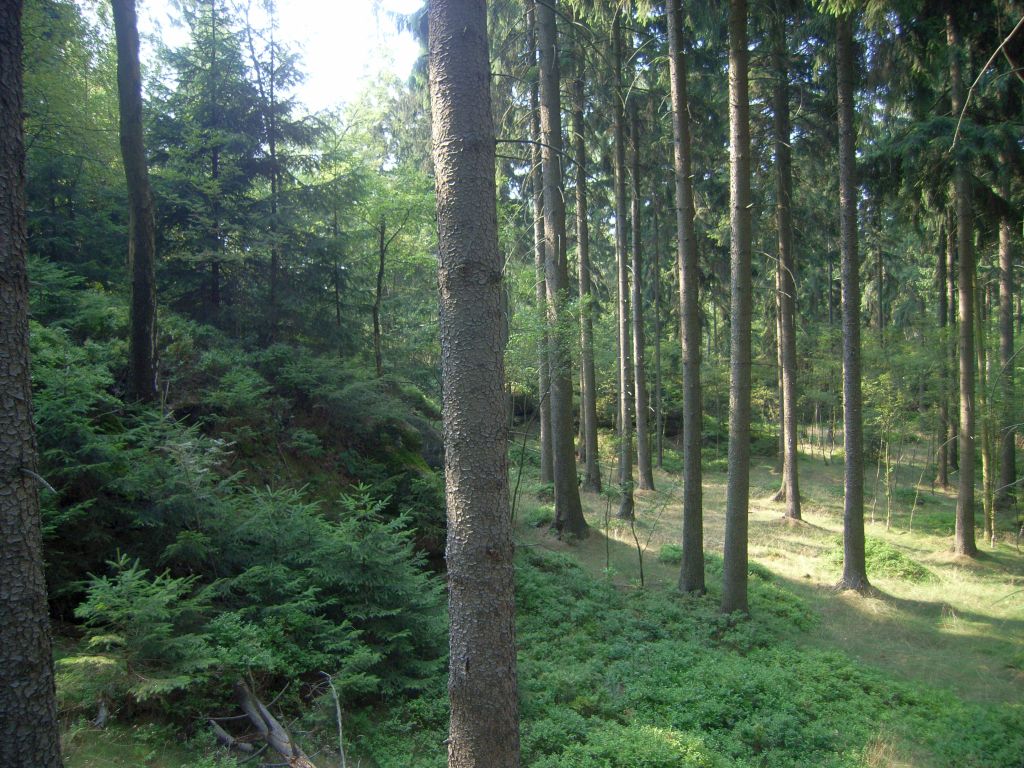
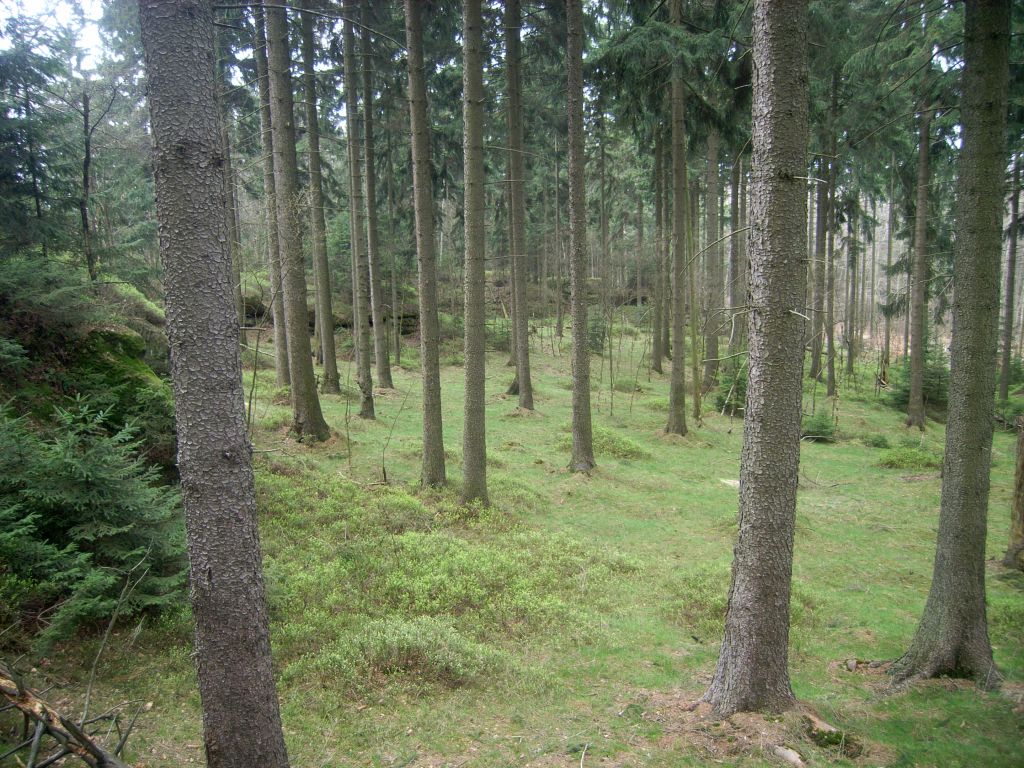
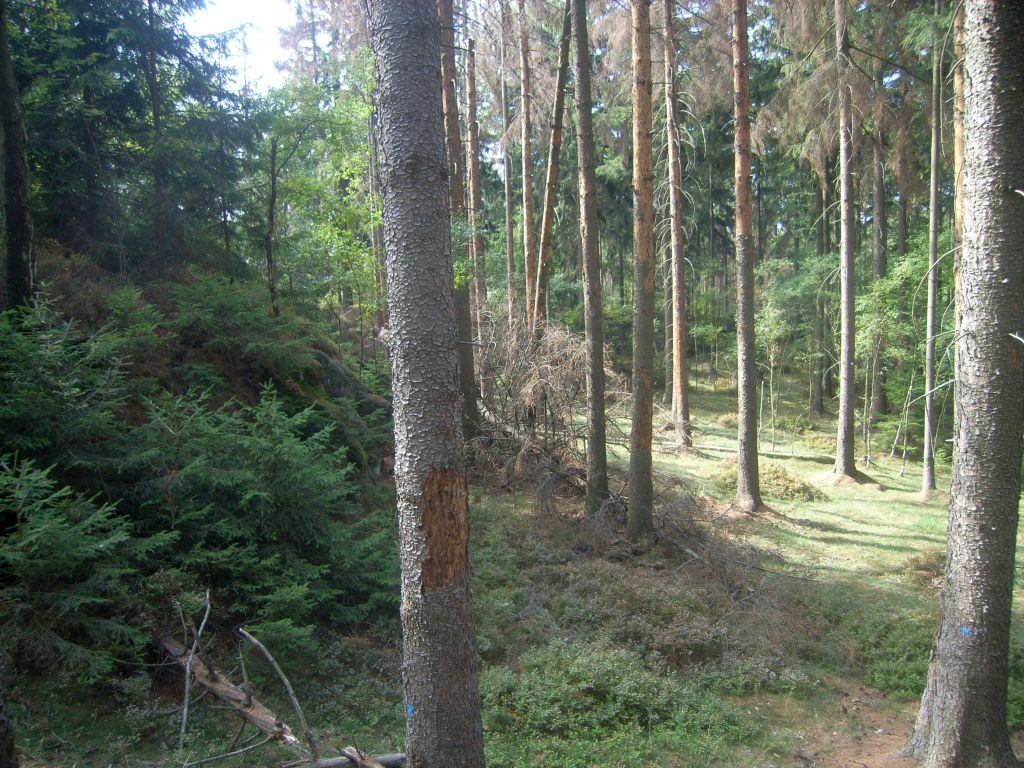
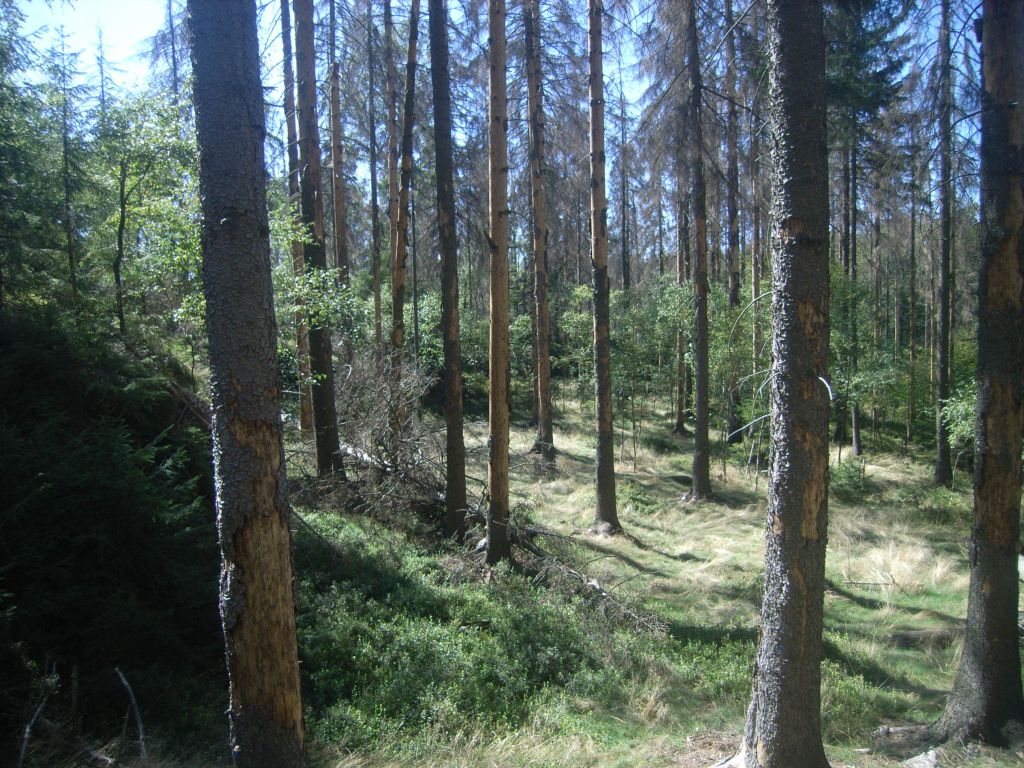
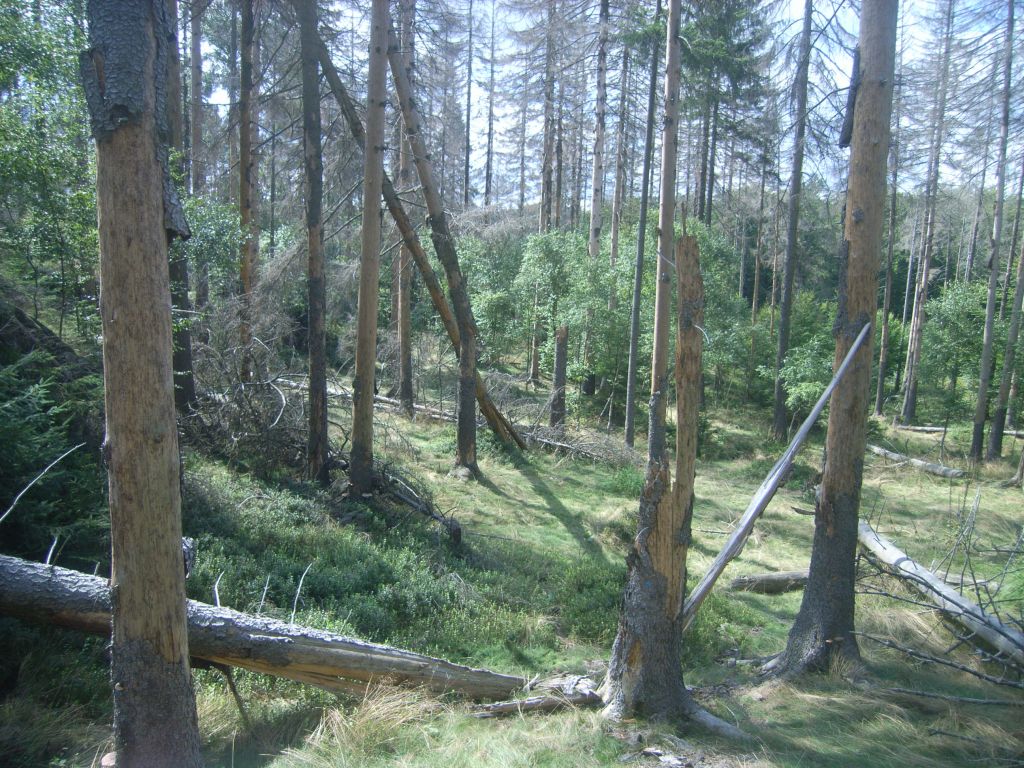
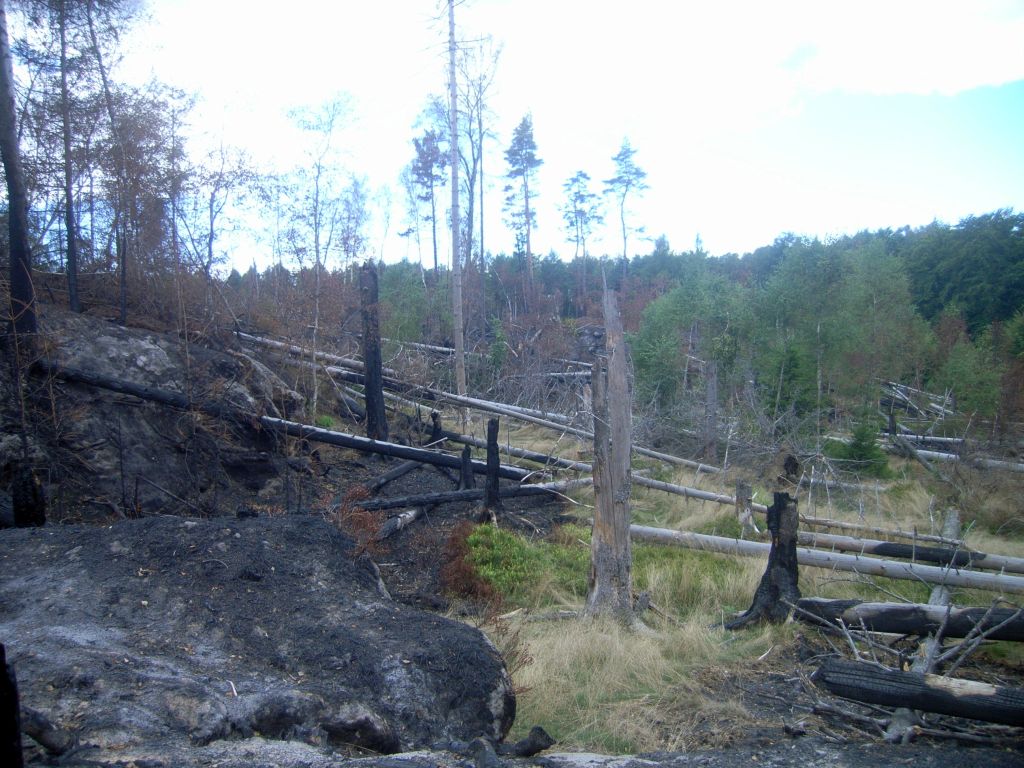
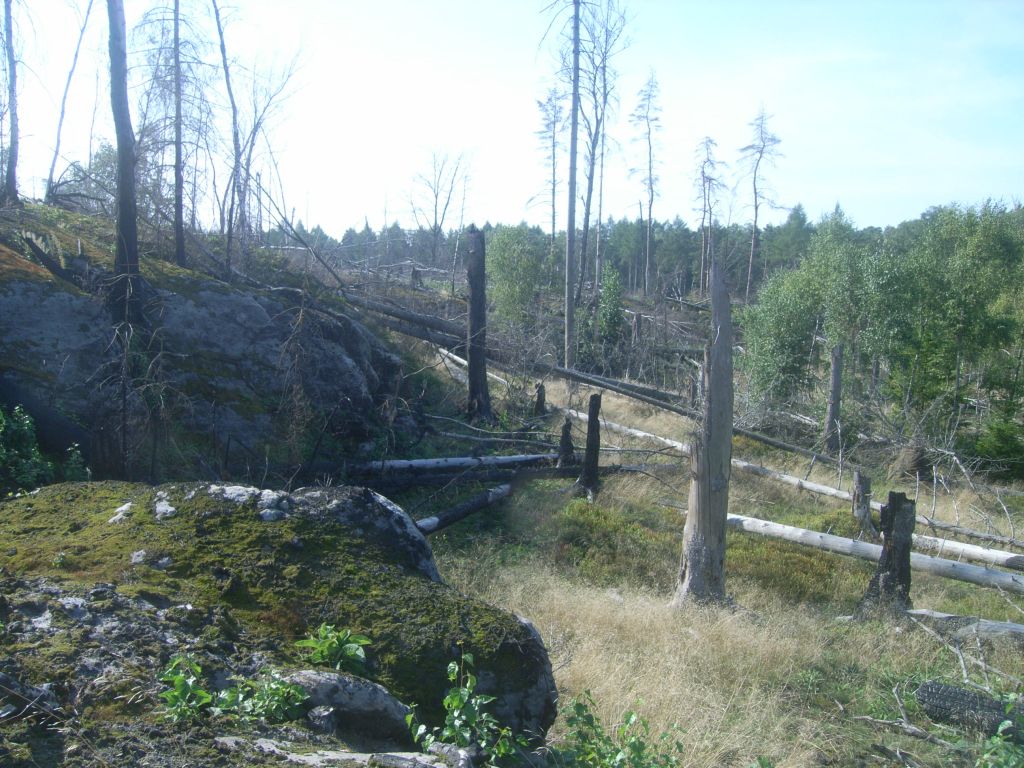
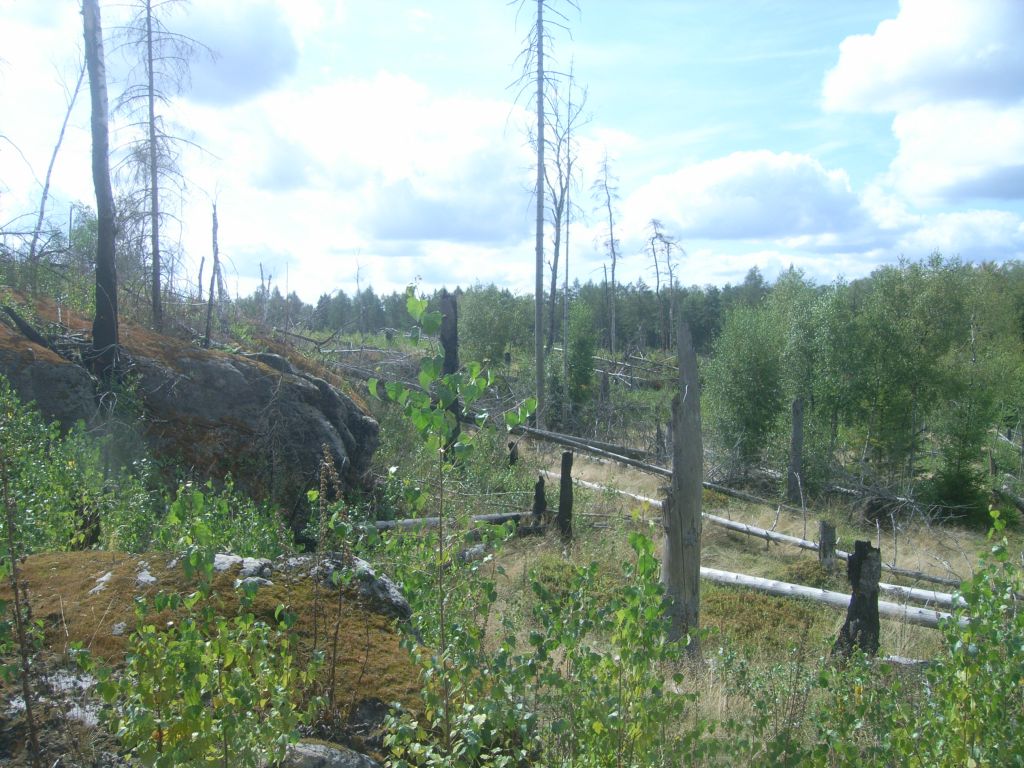
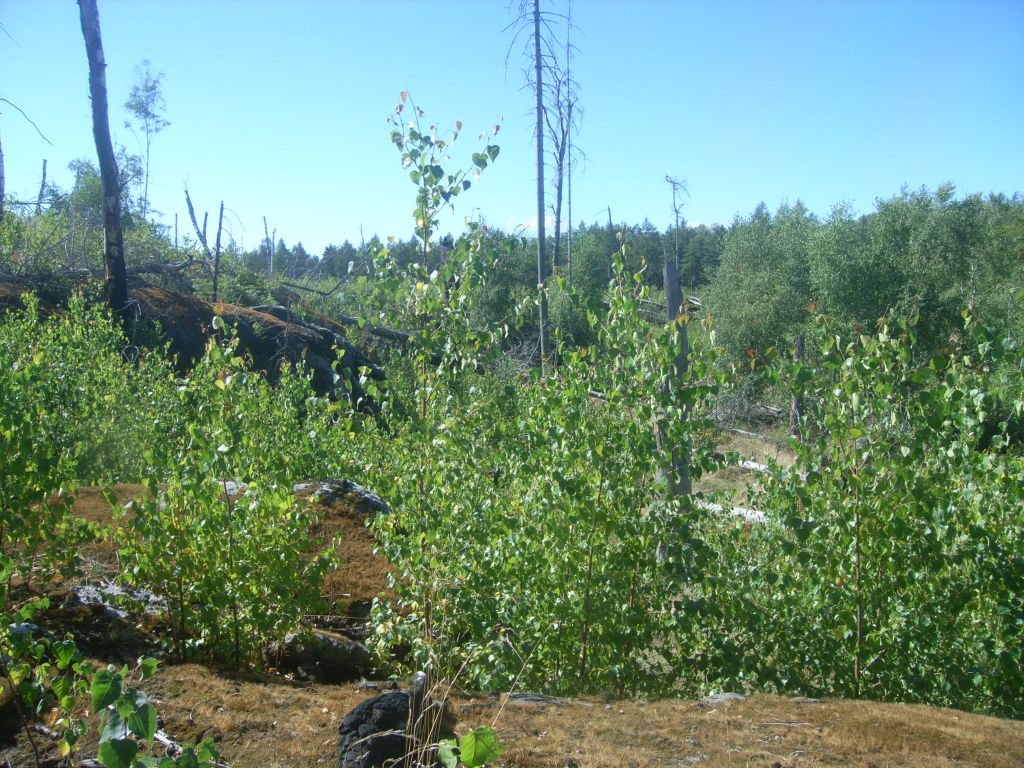
© Sven Hanuschka
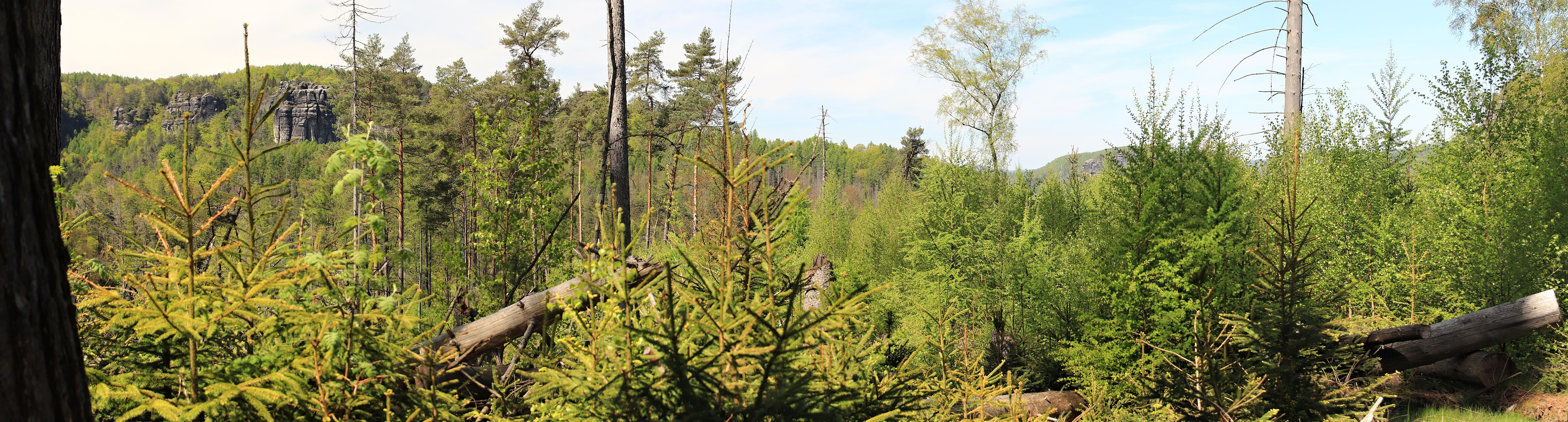
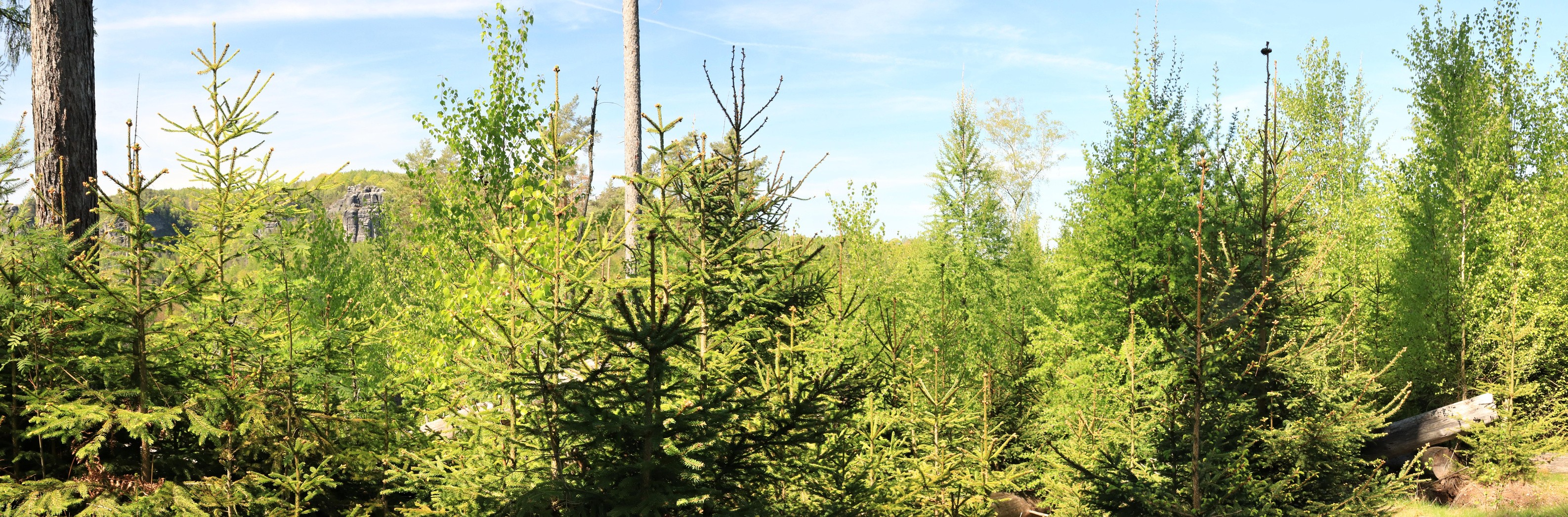
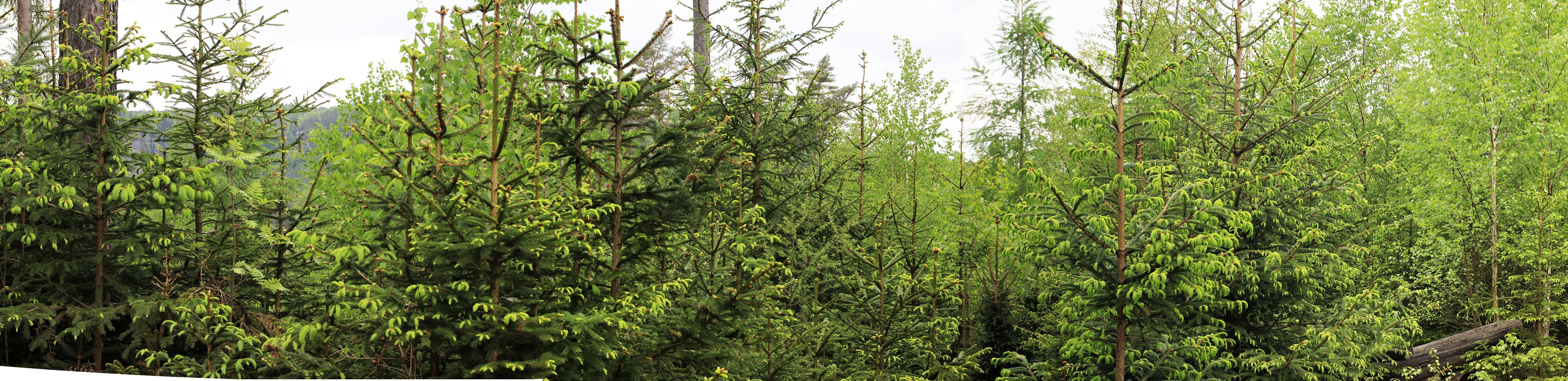
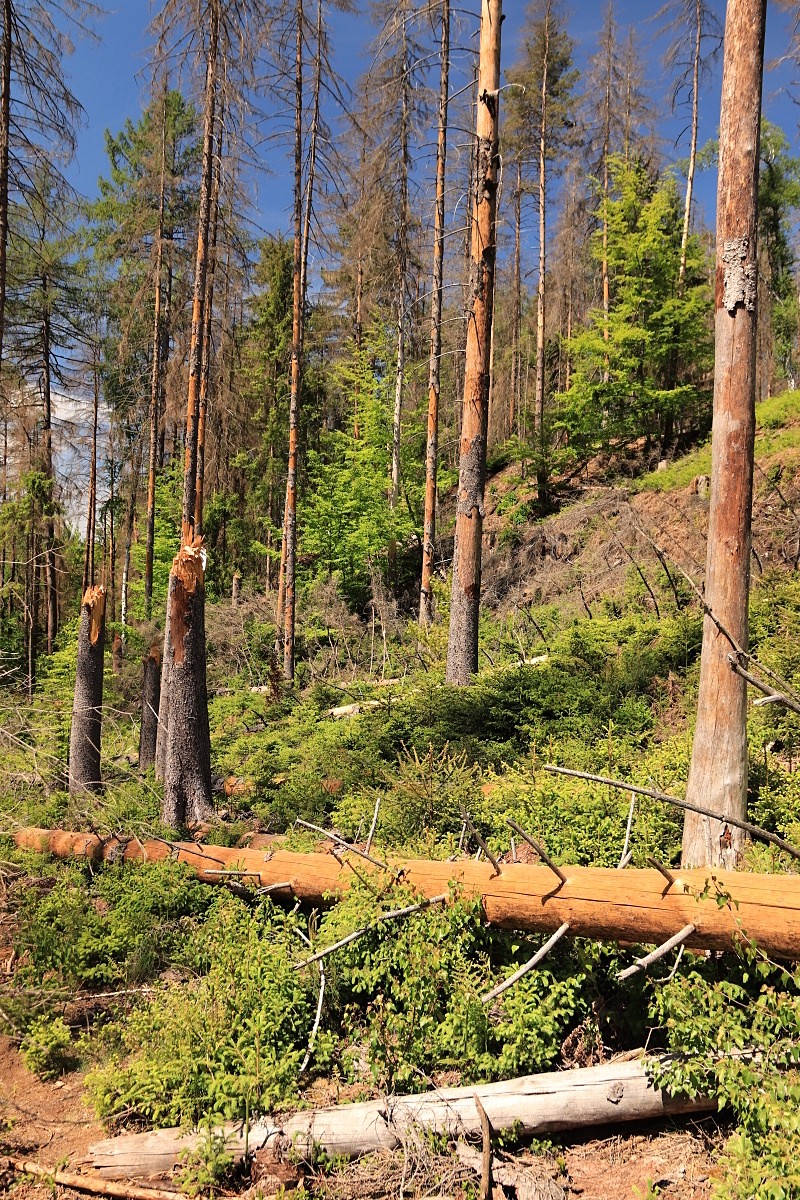
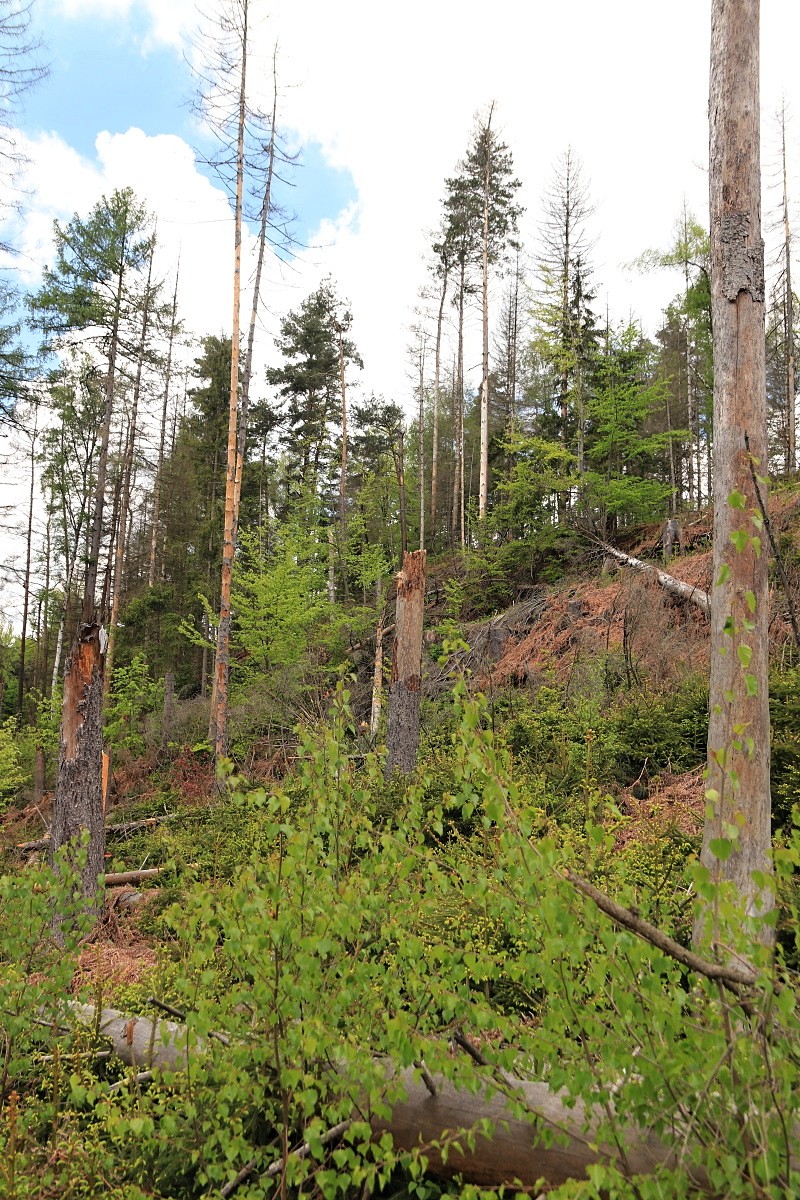
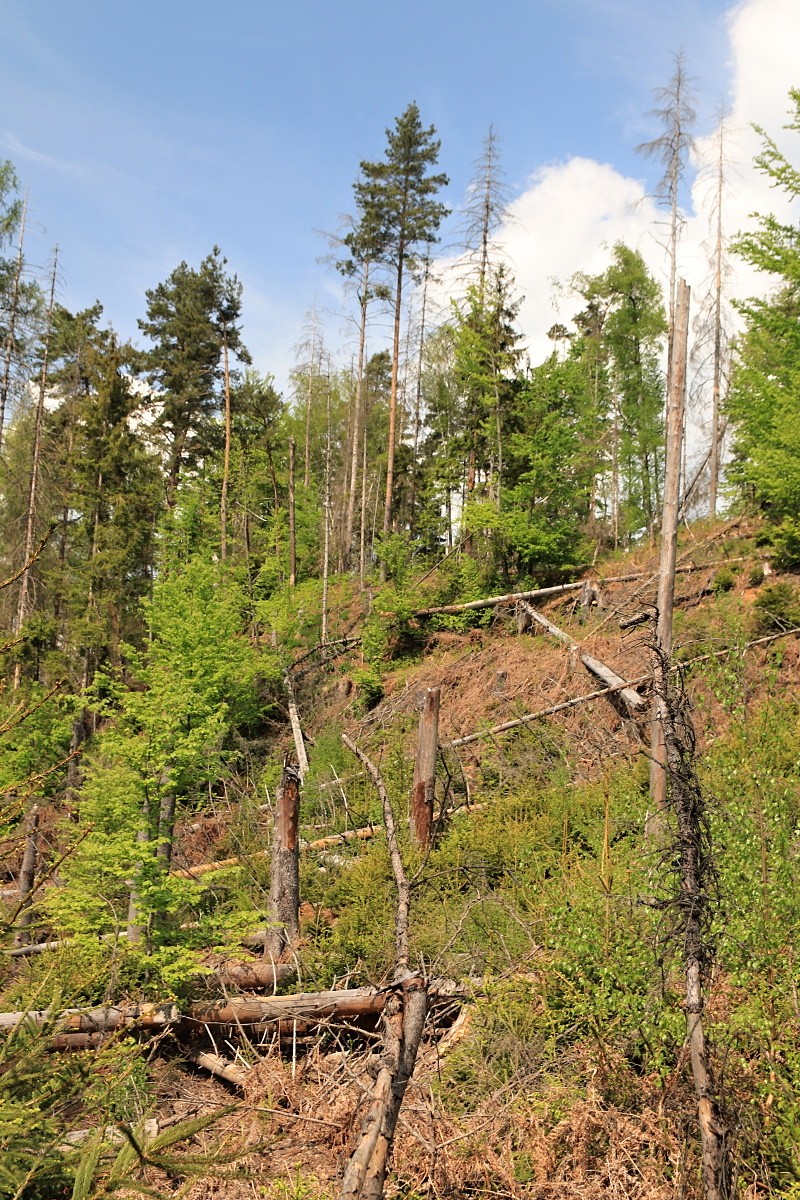
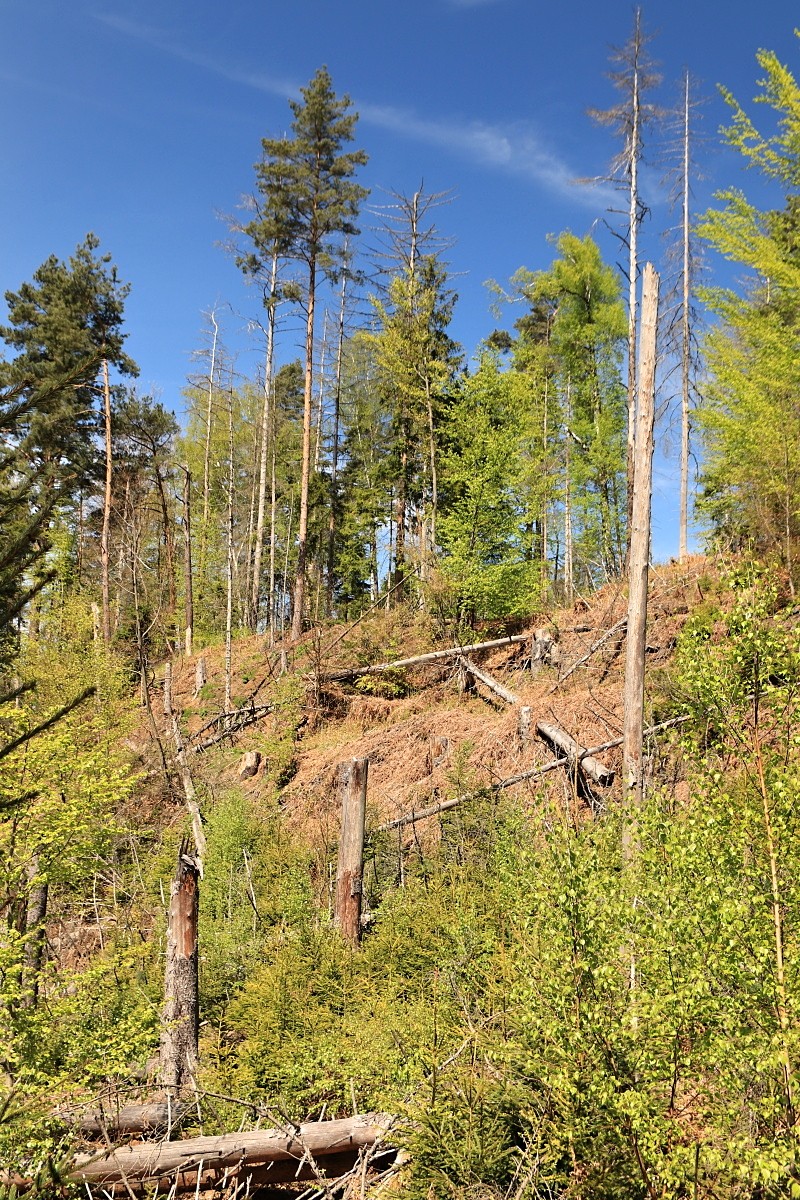
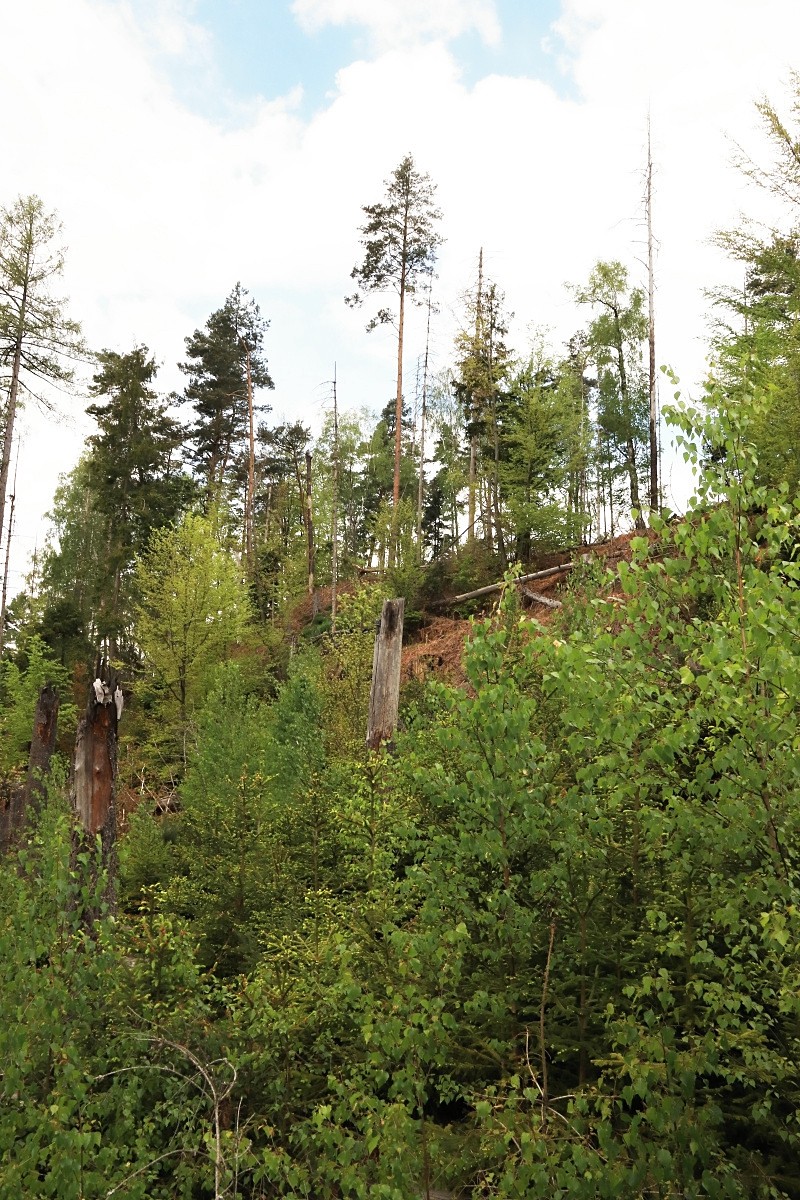
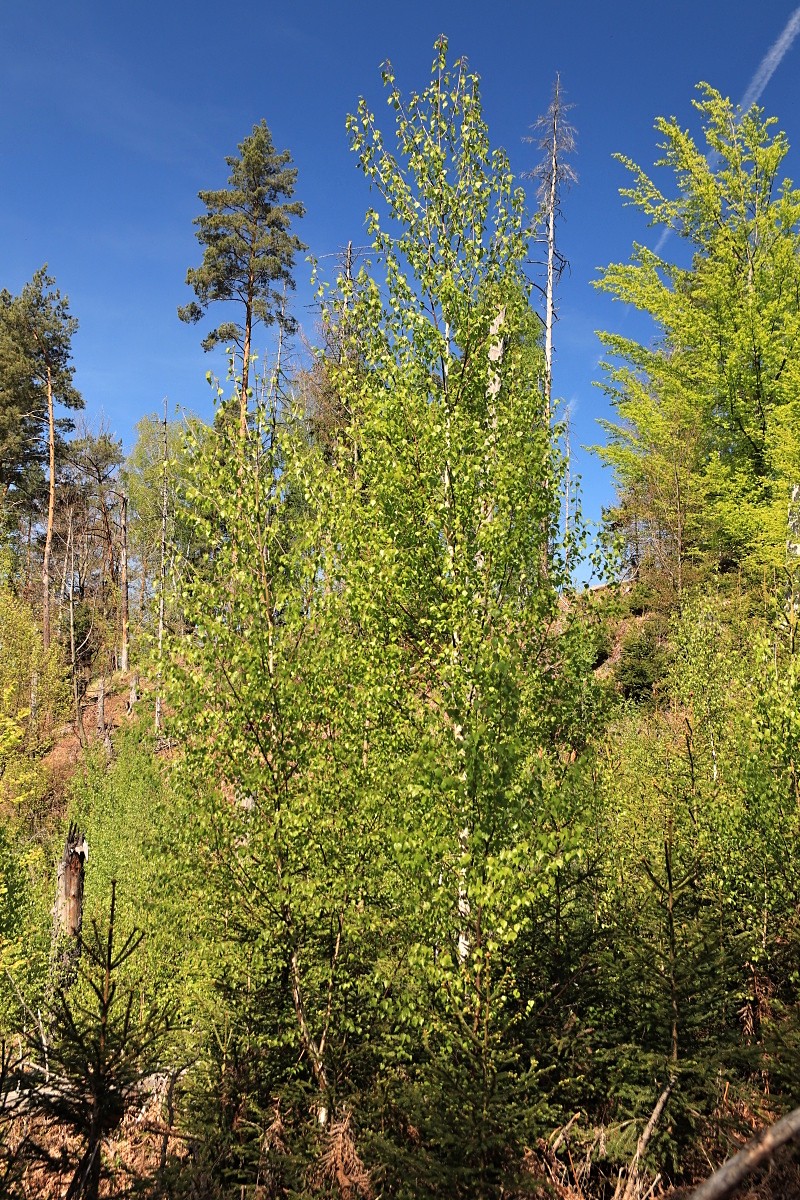
Bark beetles: From infestation to natural reforestation at Hochübel
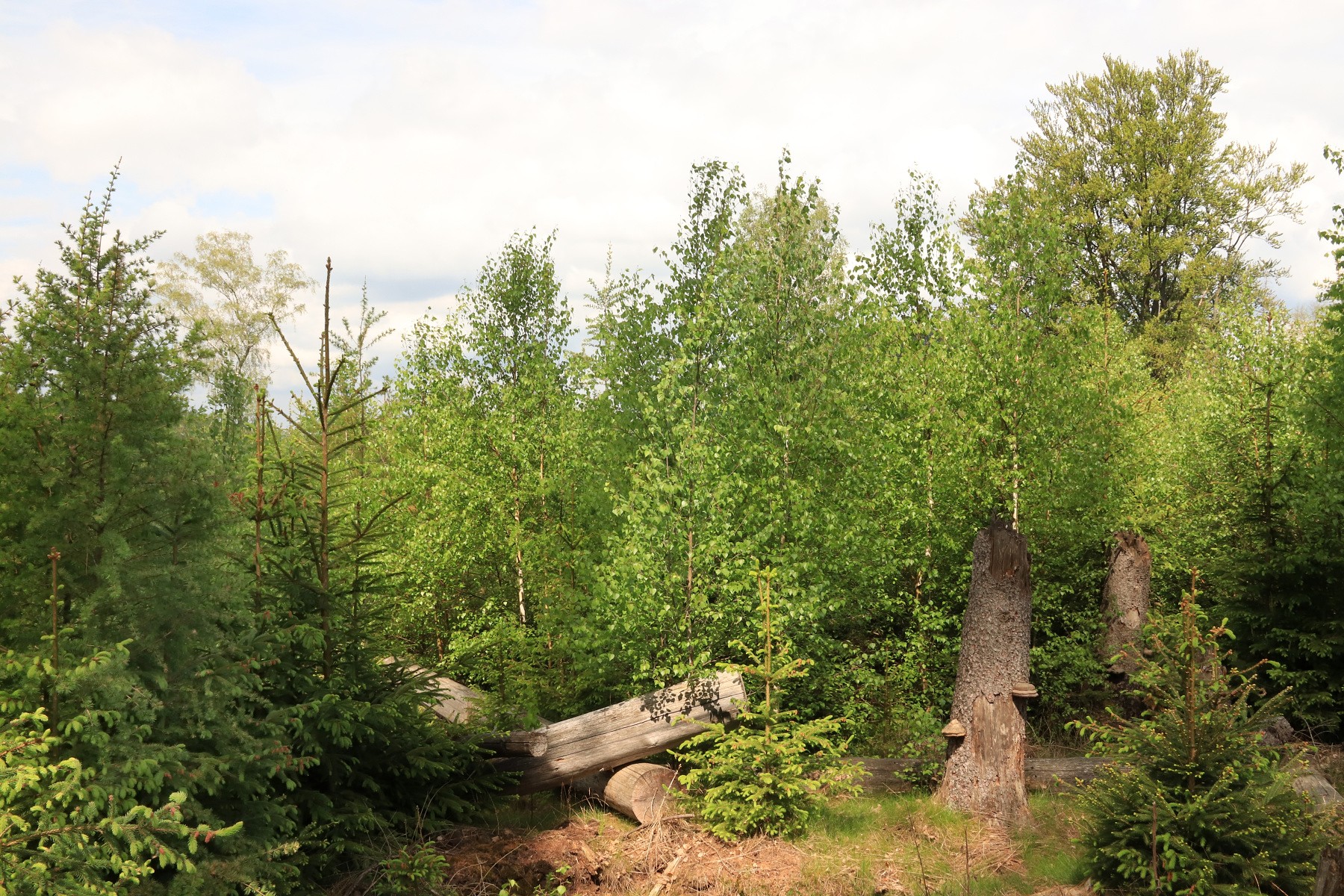
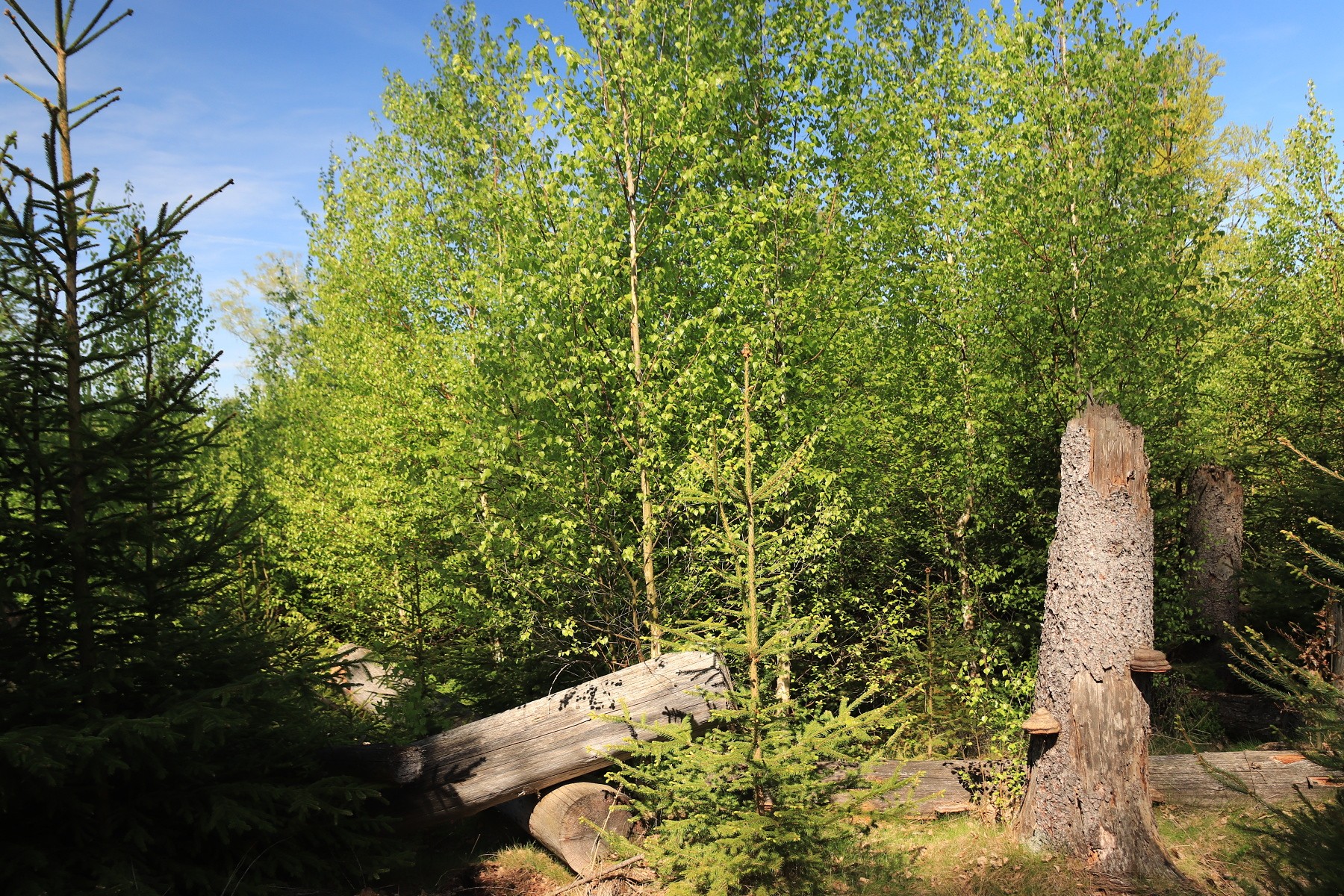
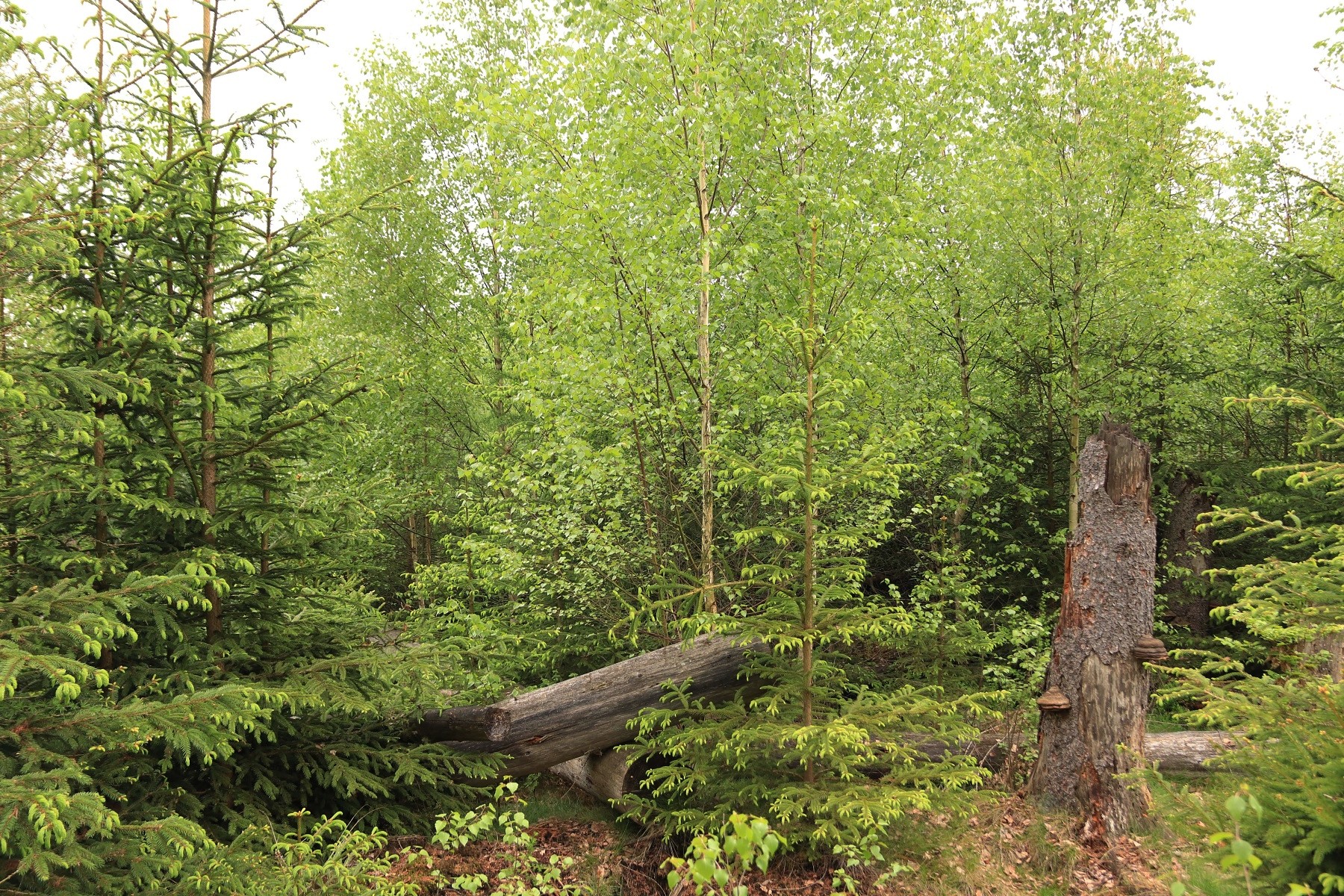
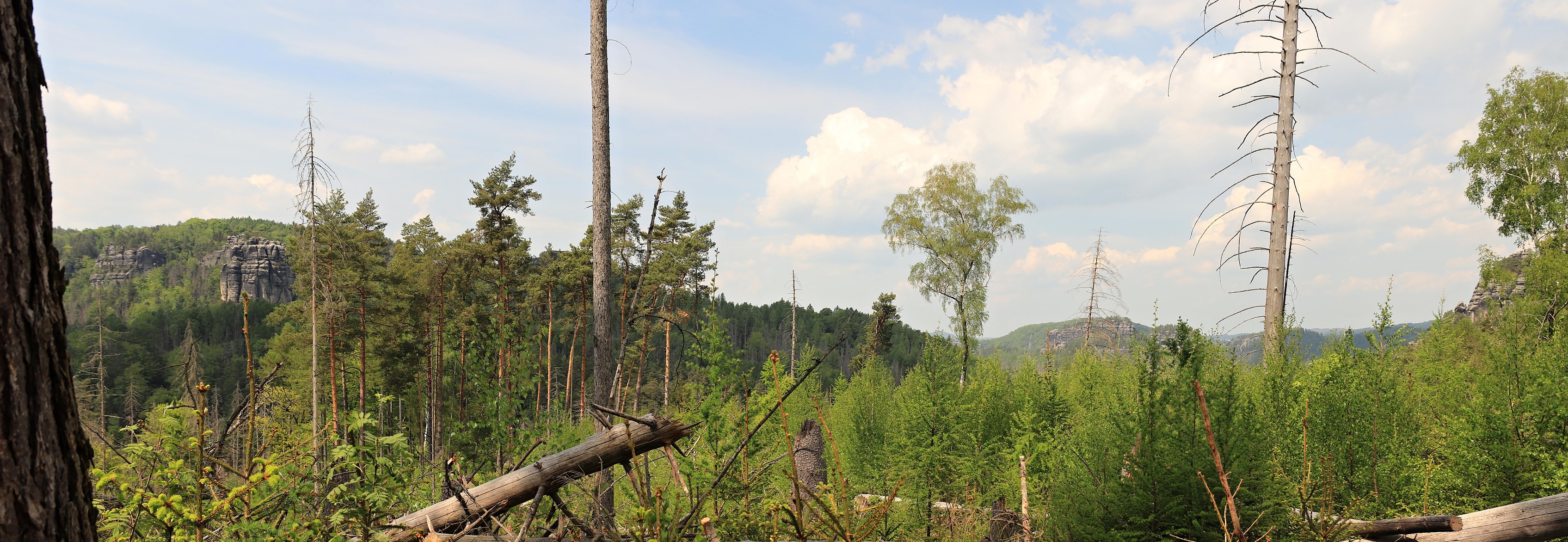
The series of images show bark beetle aftermath areas after the infestation starting in 2018, where the formerly open, damaged areas are increasingly being reclaimed by young trees and shrubs. Over the years, the vegetation significantly increases, the areas become denser and greener. The series illustrates the dynamics and speed of natural reforestation after the bark beetle infestation, as well as the natural succession following the collapse of the spruce forest. Without direct human intervention, new forest structures develop, making the long-term processes of forest development after disturbances visible. Overall, the recordings highlight the high adaptability of the ecosystem and its ability to self-regenerate.
Photo series 1
2020
|
2021
|
2022
|
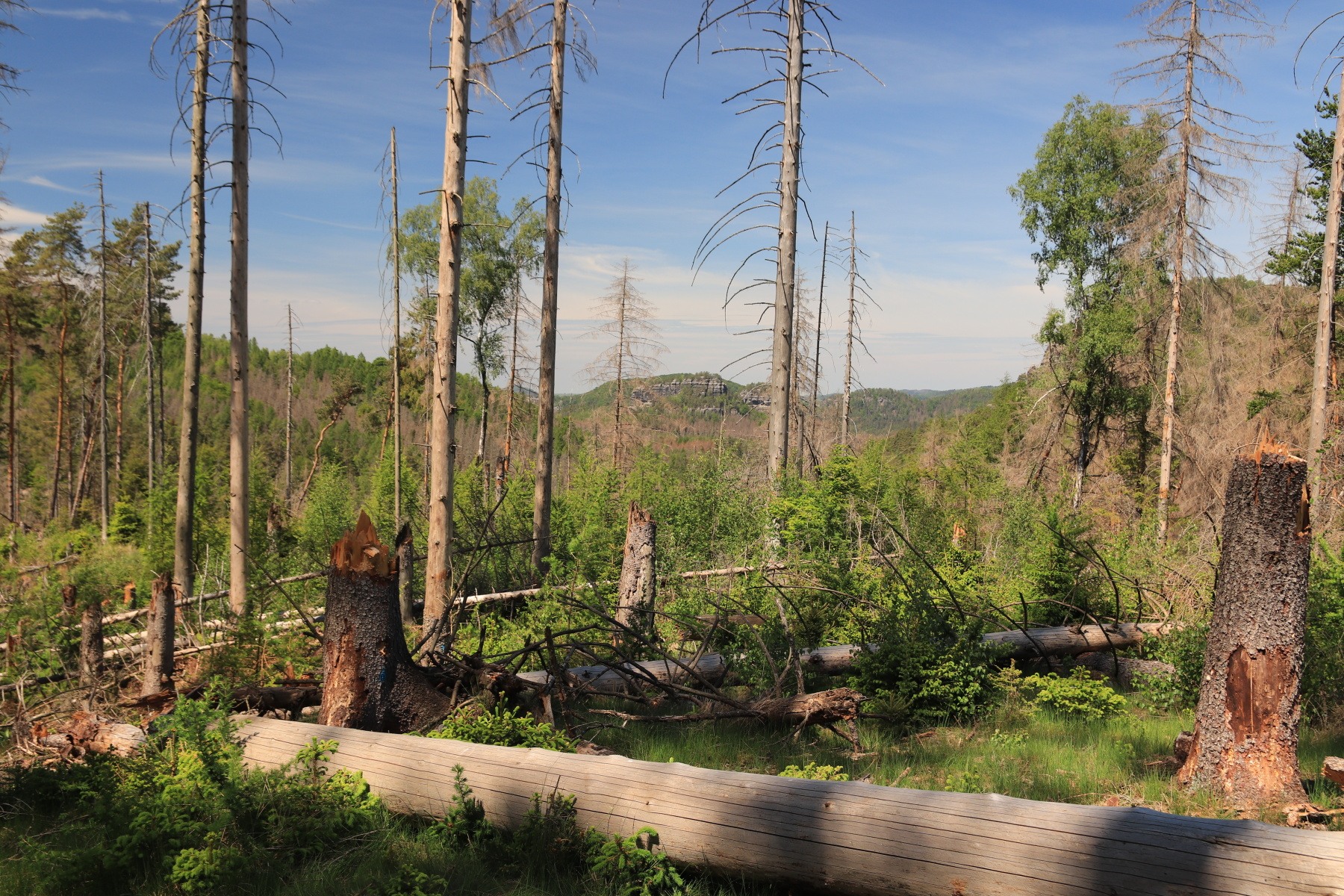
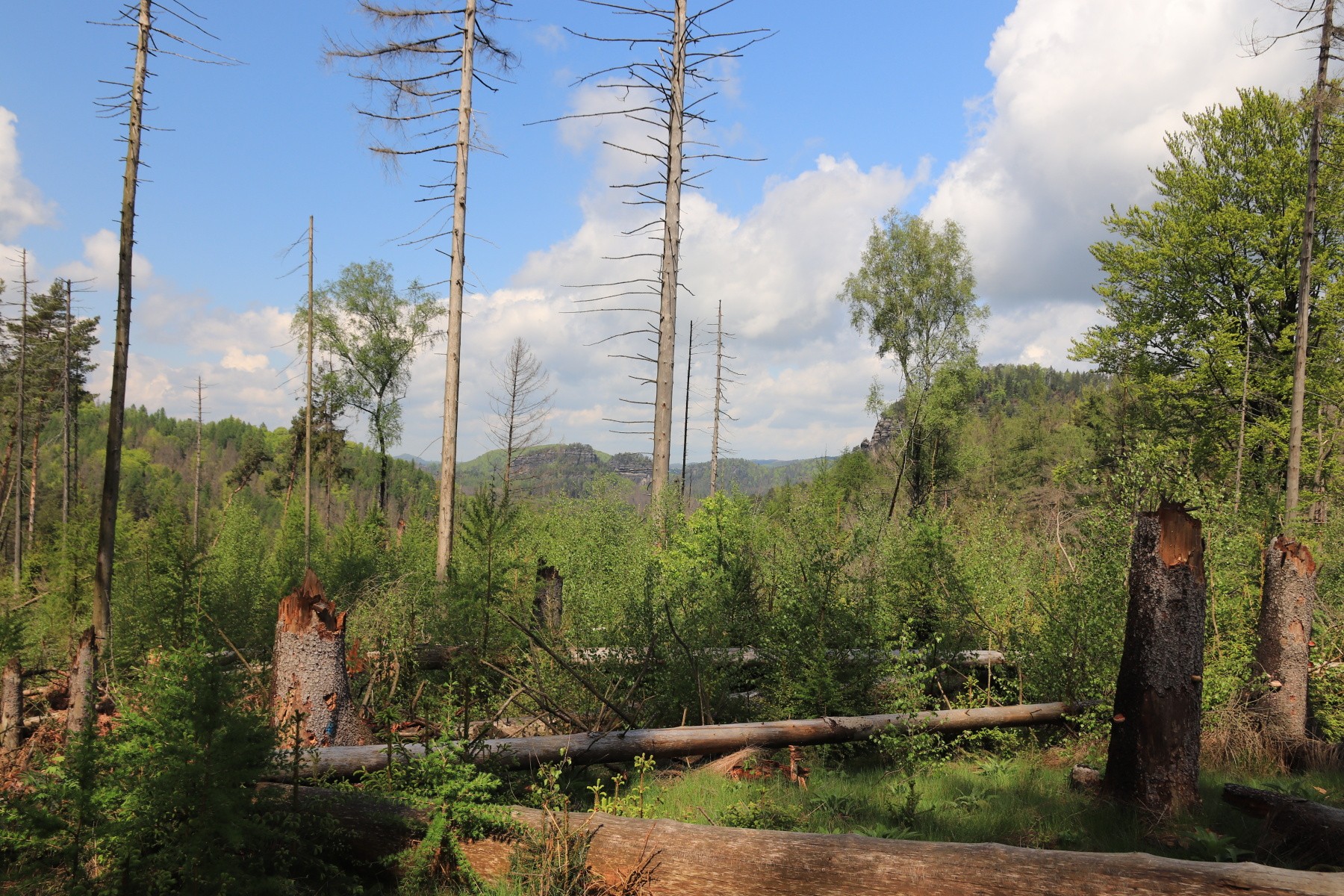
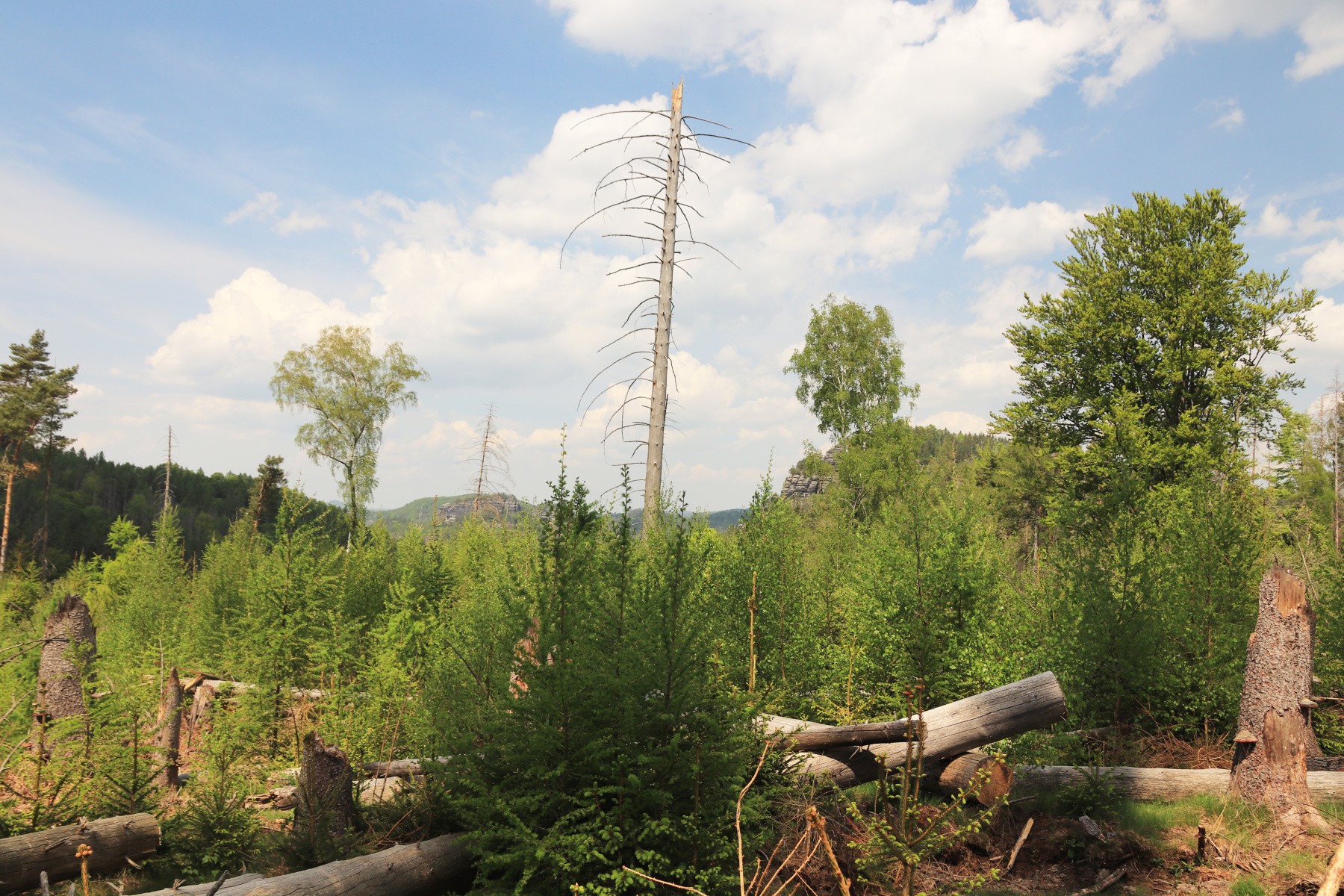
2023
|
2024
|
2025
|
2026
|
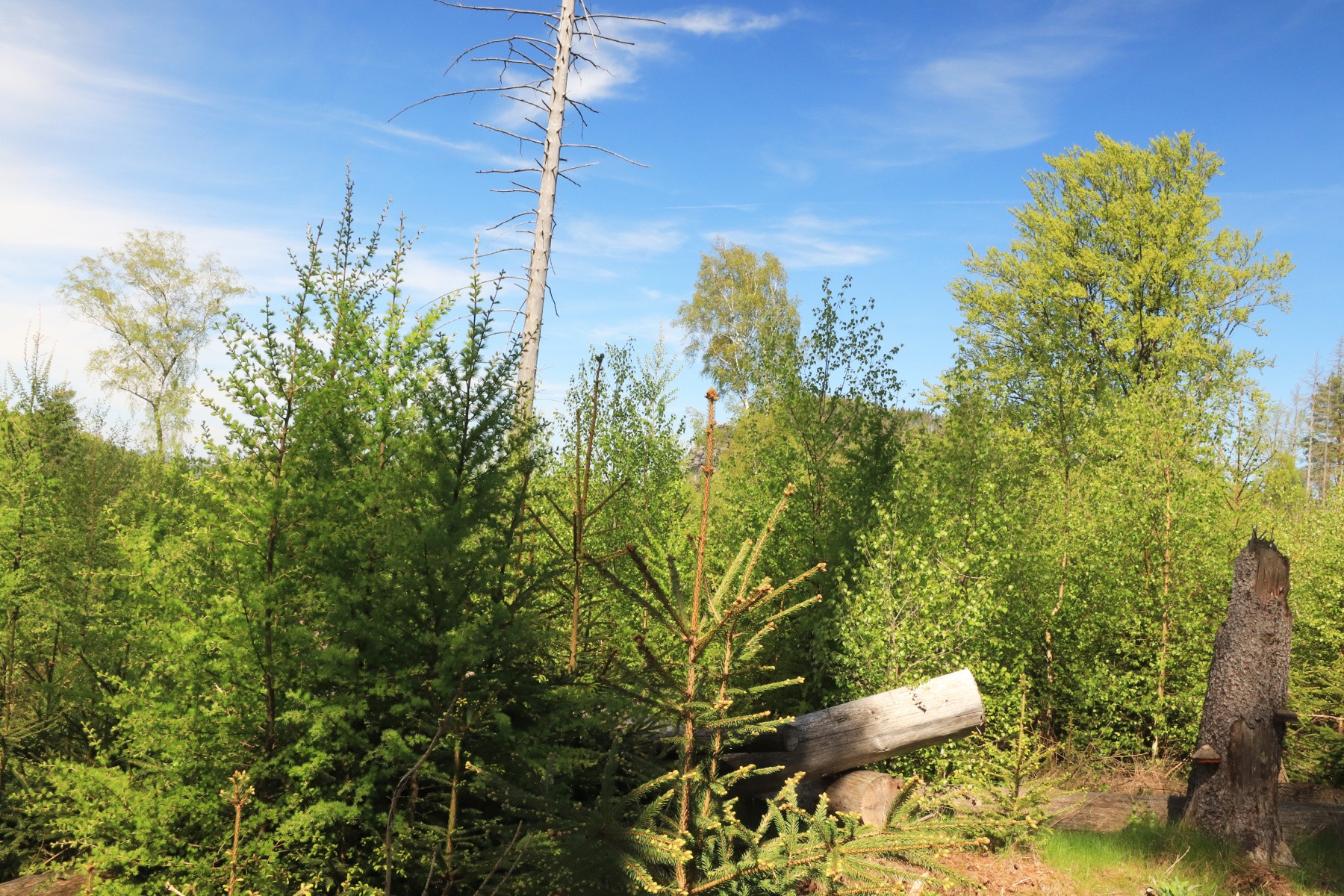
© Sina Klinger
Photo series 2
2022
|
2023
|
2024
|
2025
|
© Sina Klinger
Photo series 3
2020
|
2021
|
2022
|
2023
|
2024
|
2025
|
© Sina Klinger